
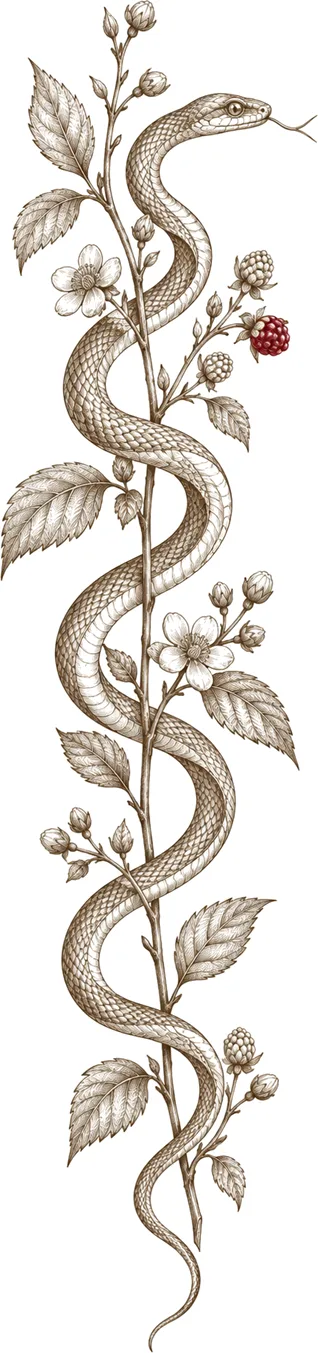
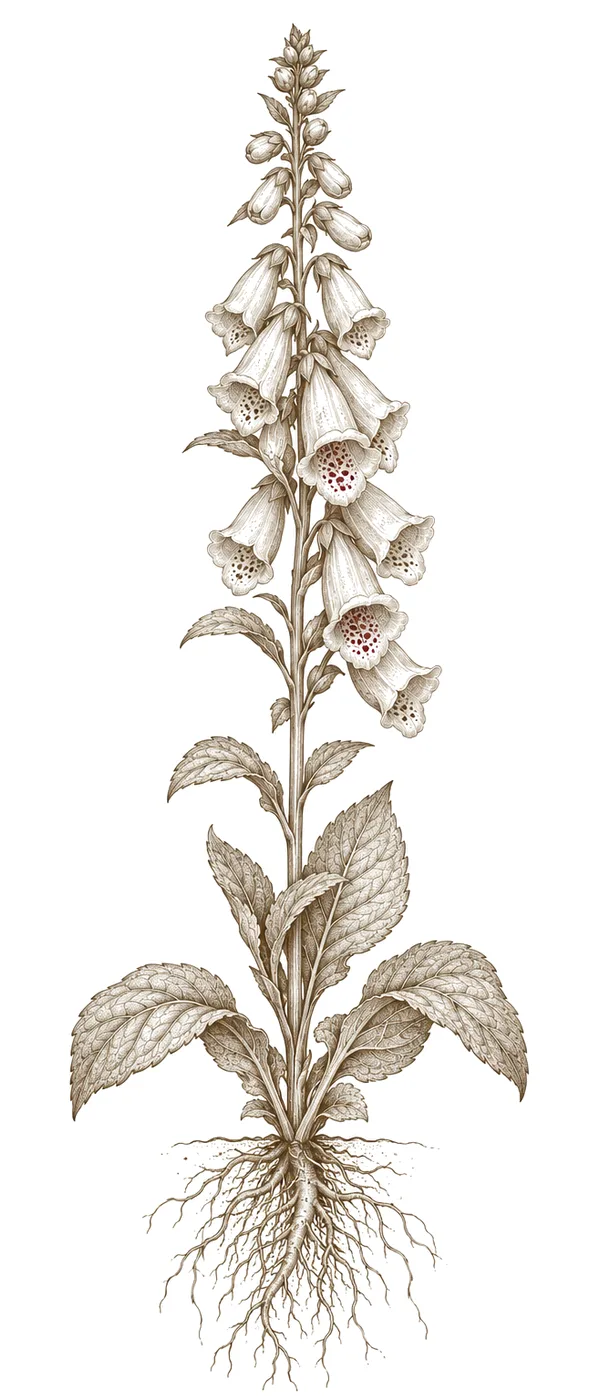

American traditional tattoos, often called Old School tattoos, are a vital part of tattoo culture. They emerged in the early 1900s and are instantly recognizable thanks to their bold outlines, simple color schemes (usually red, yellow, green, black, and blue), and meaningful symbols.
A Visual Language of History and Values
These tattoos aren't just pretty pictures; they’re a visual language reflecting nautical history, military customs, and the values of working people. Think about it: an anchor signifies hope and stability—a sailor’s wish for safe passage home. A rose represents love and beauty, while an eagle embodies freedom and strength.
Classic Symbols and Their Stories
Historically, these images often told stories about a person's life or what they believed in. A heart might show devotion, while a dagger could represent courage—or even betrayal. Each symbol carried weight.
Evolution and Modern Interpretations
While deeply rooted in tradition, American traditional tattooing hasn't stood still. Neo-traditional tattoos take the core elements of Old School designs—the bold lines, the classic imagery—and add more detail, richer colors, and contemporary ideas. It’s a way to honor the past while exploring new creative possibilities.
Why They Still Matter
The lasting appeal of American traditional tattoos comes down to their timeless look and powerful symbolism. Whether you’re captivated by the original designs or the newer versions, these tattoos continue to connect with people from all walks of life—and across generations.