
Tattoo Cover-Up Guide: Techniques & Styles
Covering up a tattoo can be an exciting way to refresh your skin and create something new. Whether you're dealing with a regrettable decision or simply want a change, thoughtful cover-up designs need careful planning and the right artist.
The Challenges of Tattoo Cover-Ups
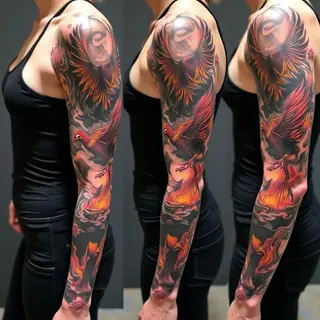
A successful tattoo cover-up isn't as simple as just inking over the old one. It depends on several factors: the size of the existing tattoo, how saturated its colors are, and your skin tone. Larger, darker tattoos often require more coverage—and potentially multiple sessions to achieve a truly seamless result.
Popular Cover-Up Styles
There's a wide range of styles that work well for cover-ups. Here are some popular choices:
-
Blackwork
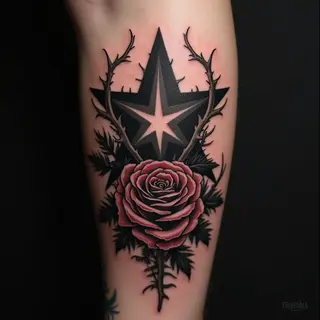
Bold black ink is incredibly effective at hiding previous designs, creating striking patterns and geometric elements.
-
Realism
Intricate realism can blend beautifully, especially when the existing tattoo is relatively simple. It's about creating a seamless integration.
-
Watercolor
Soft hues create an ethereal effect, blurring lines and disguising the underlying imagery. It's a softer approach.
-
Illustrative
Storytelling through illustrations offers a unique way to transform an unwanted tattoo into a meaningful piece of art. It's about turning something you dislike into something beautiful.
-
Neo-Traditional
This style brings a modern twist to traditional cover-up designs, using nuanced color palettes and intricate details for a truly unique look.
Consultation & Design: The Crucial First Step
Before any ink touches your skin, a thorough consultation with an experienced tattoo artist is essential. They’ll carefully assess the existing tattoo and work with you to create a design that effectively covers it while also being a beautiful piece of art in its own right.
Aftercare: Ensuring Optimal Healing
Proper aftercare is vital for ensuring the best possible healing and color saturation in your cover-up tattoo. Follow your artist's instructions carefully.