Celtic tattoos draw from a rich tapestry of history and mythology, primarily associated with the ancient Celts who inhabited Europe over 2,000 years ago. These symbols are more than just aesthetics; they carry deep spiritual meanings relating to nature, life cycles, and interconnectedness.
Common Celtic Symbols & Their Meanings
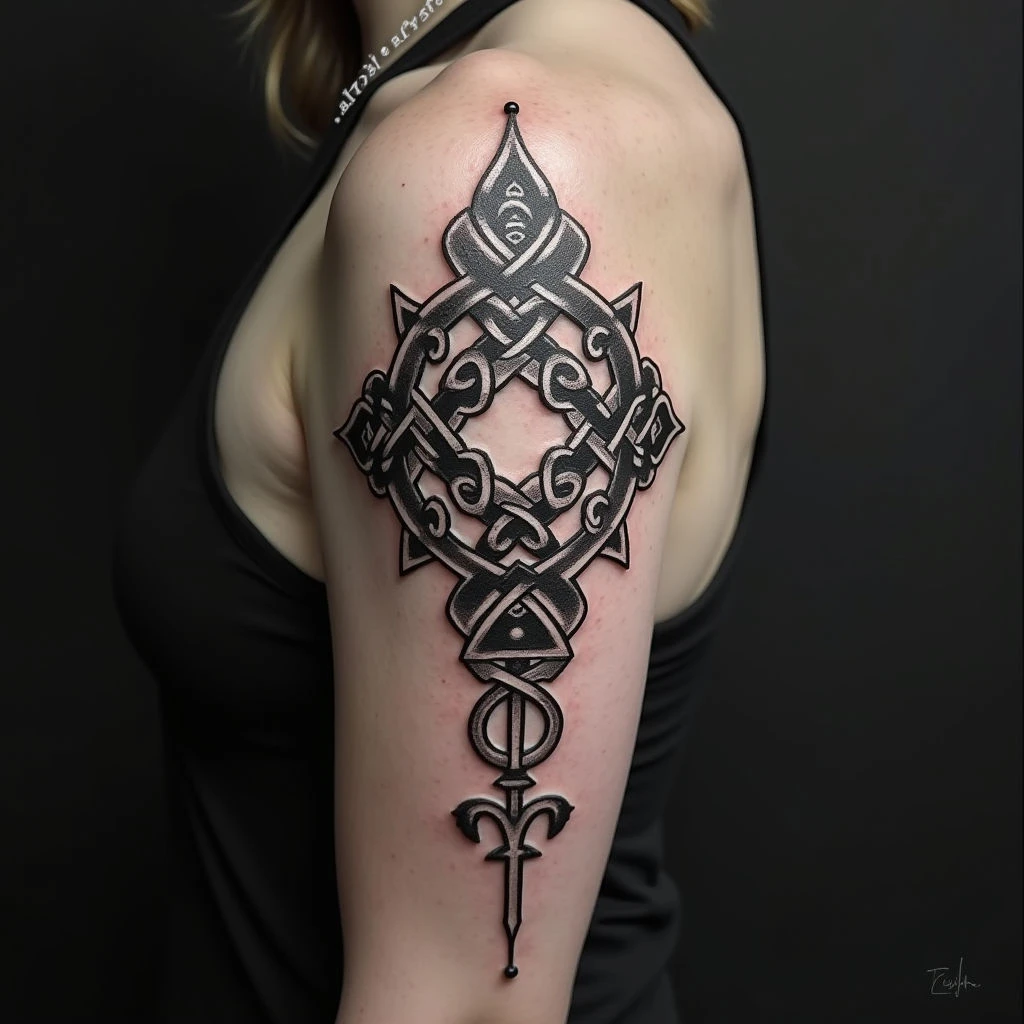
- Celtic Knotwork (Nótaí): Often interweaving patterns representing eternity, unity, or the interconnectedness of all things. The absence of a beginning or end symbolizes infinity.
- Triskelion (Spiral Triangle): Represents motion, progress, and spiritual evolution - past, present, and future.
- Celtic Cross: A combination of Christian symbolism with Celtic knotwork, representing faith alongside Celtic heritage.
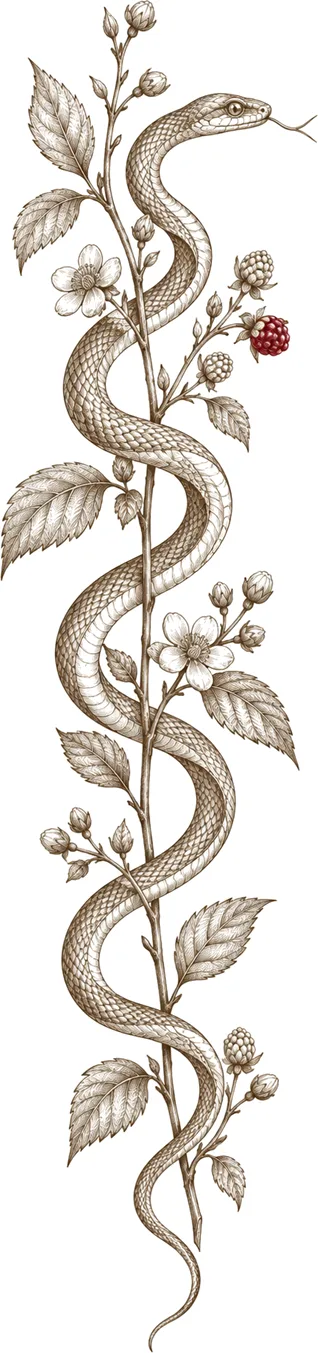
- Animals (Boar, Stag, Raven, Serpent): Each animal holds specific significance. Stags symbolize nobility and strength; ravens are associated with wisdom and prophecy; boars represent courage and protection; serpents can signify transformation and healing.
- Spirals: Often depict growth, expansion, and the journey of life.
Design Considerations for Celtic Tattoos
The intricate nature of Celtic designs makes them ideal for placement on larger areas like the back or thigh. However, smaller elements like knots can be adapted for micro tattoos - a testament to precision artistry. Consider how the symbol interacts with your body’s contours.
Placement & Style Suggestions
- Sleeve
- Shoulder blade
- Upper arm
- Thigh
- Calf