

Cross tattoos hold deep meaning—faith, hope, sacrifice. Before you get inked, it’s worth understanding the history and symbolism behind a cross. This guide breaks down different ideas, styles, placements, and what they represent.
Understanding Cross Tattoo Symbolism
The most recognizable meaning of a cross is its connection to Christianity—representing Jesus Christ’s crucifixion and resurrection. But crosses can signify so much more. They might symbolize balance, harmony (think of the Celtic cross), or simply serve as personal reminders of strength and resilience.
Exploring Different Cross Tattoo Styles
The style you choose can dramatically change the meaning and look of your cross tattoo. Here's a breakdown:
-
Traditional Cross Tattoos
These feature bold outlines, classic imagery, and often include banners with Latin phrases or biblical verses—a timeless expression of faith. -
Neo-Traditional Cross Tattoos
Building on the traditional style, neo-traditional designs incorporate richer colors and detailed shading for a contemporary artistic feel. -
Minimalist Cross Tattoos
Clean, simple lines create a subtle yet powerful design—ideal for those who prefer understated symbolism. -
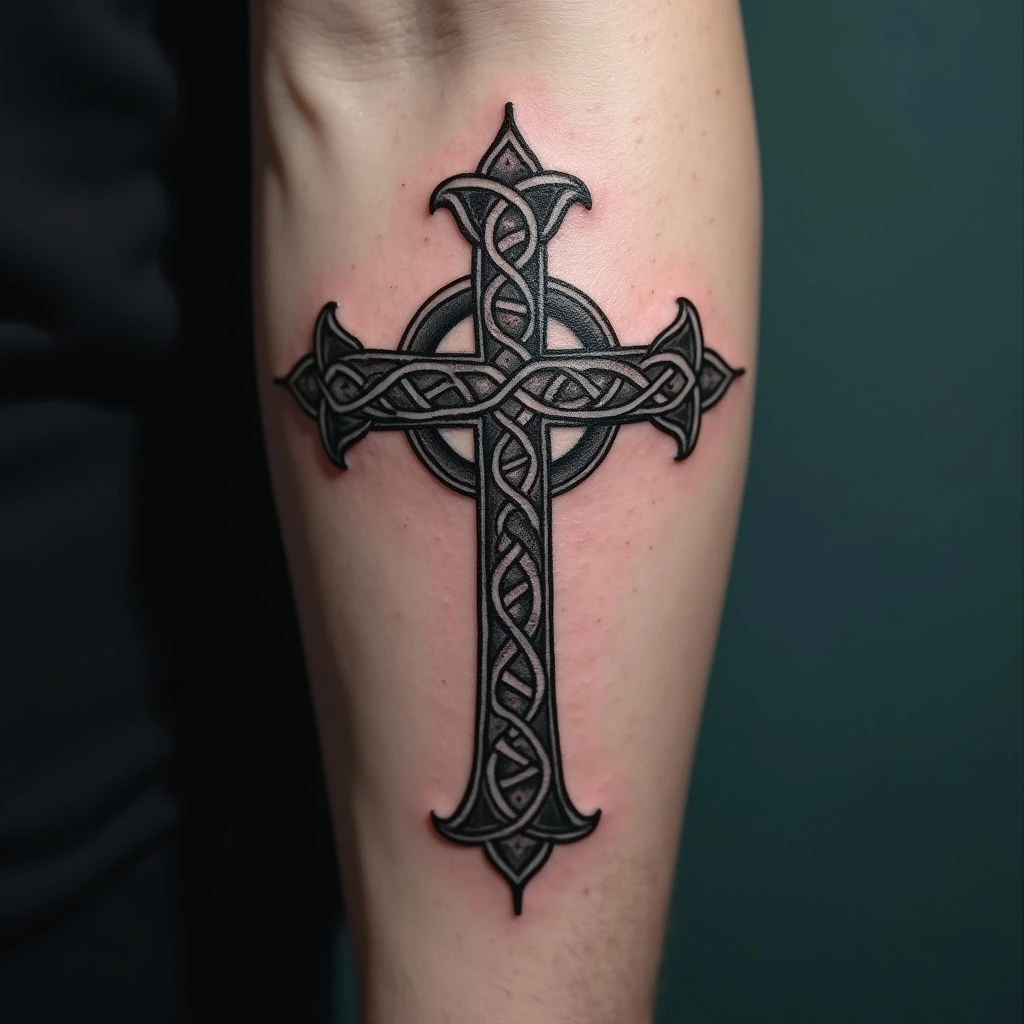
Celtic Cross Tattoos
Incorporating Celtic knotwork, these designs symbolize eternity and interconnectedness—rich in cultural heritage. -
Tribal Cross Tattoos
These blend cross elements with traditional tribal patterns, often representing spiritual journeys or ancestral connections. They honor Polynesian traditions of marking lineage and identity through ta moko.
Placement Considerations
Where you place your cross tattoo can also carry meaning. Common choices include the upper arm, wrist, back, and chest—consider the size and style when deciding on a location.
Respecting Cultural Significance
If you're drawn to a tribal or culturally inspired cross design, it’s important to do your research. Understanding the origins of the design ensures respectful representation.