
The pursuit of adorableness in tattoos is a long one—as old as the craft itself! We see countless modern interpretations, but let's explore how charming imagery was rendered within historical European artistic traditions. It’s easy to overlook the playful elements woven into illuminated manuscripts and heraldic displays: whimsical creatures nestled amongst floral borders, or tiny animals depicted with surprising personality.
Drawing Inspiration from History
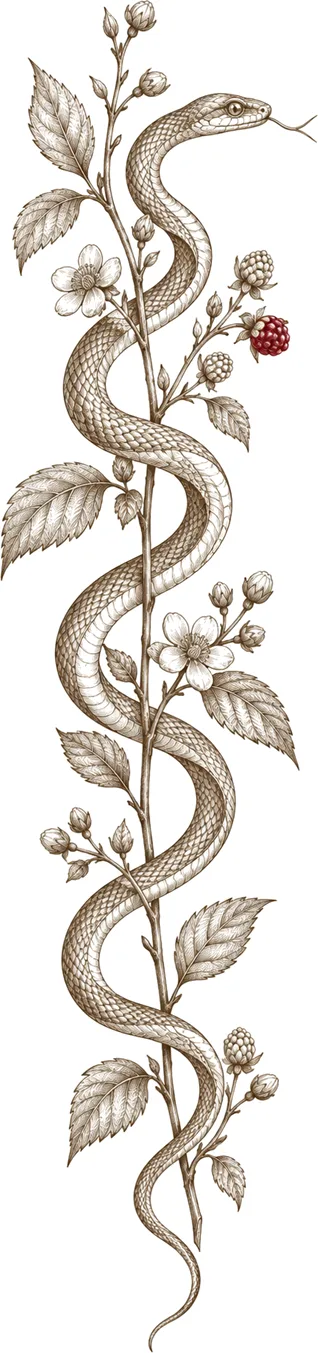
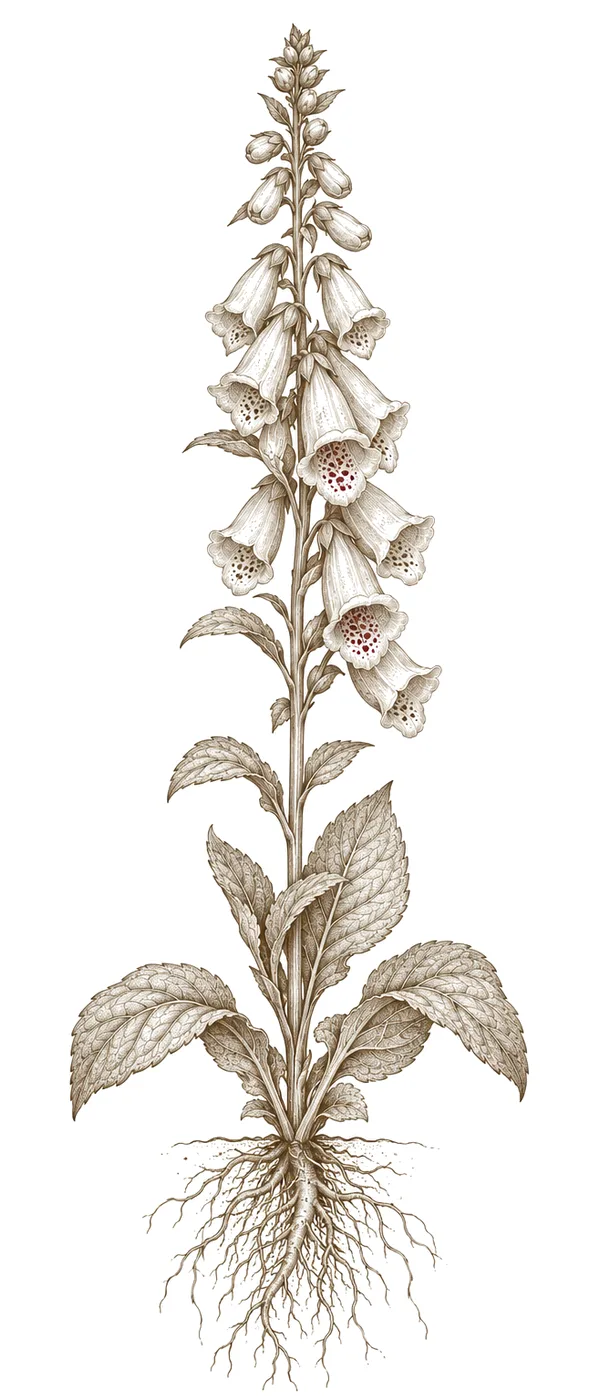
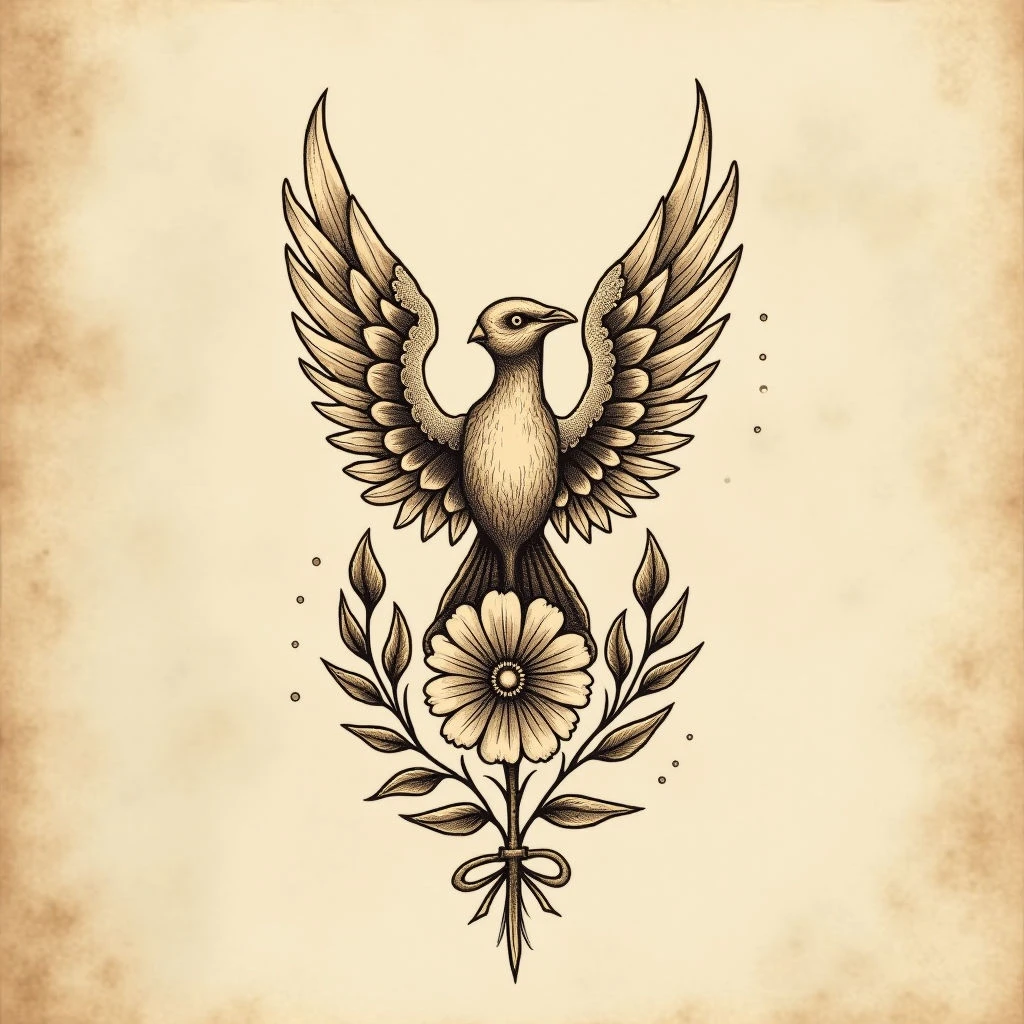
Think about a miniature griffin, meticulously rendered in dotwork to mimic the texture of aged parchment. Imagine its feathers subtly shaded with sepia tones reminiscent of medieval pigments! Or perhaps a posy of wildflowers, each petal painstakingly detailed using a neo-traditional style—evoking the vibrancy found within illuminated initials.
Adapting Heraldic Crests
Even heraldic crests can be reimagined. A simplified shield bearing a playful fox or rabbit feels much more approachable than the traditional lion—a simple shift that honors history while embracing contemporary aesthetics.
Techniques and Aesthetics
To achieve this look, consider using gold leaf accents (easily replicated with metallic inks), delicate line work inspired by manuscript borders, and a careful consideration of color palettes drawn from medieval dyes—rich blues, earthy greens, and warm reds. It’s about more than just visual appeal.
The Essence of a ‘Cute’ Tattoo
Ultimately, a truly ‘cute’ tattoo carries within it a whisper of history—a nod to the artistic traditions that have shaped our world. There's something special about blending those influences.