
Do fine line tattoos age well? They can, but their delicate outlines may change more visibly than bold work: contrast softens, edges become less crisp and tiny details can blend together. Nobody can promise exactly how a particular fine line tattoo will look after five years, because design scale, spacing, placement and the artist's technique all matter.
Do fine line tattoos age well? The short answer
A fine line design can remain recognisable and attractive for years when the composition gives delicate marks enough room and the placement is considered carefully. The question is not whether lines remain as sharp as on day one. It is whether the design will still read clearly after the inevitable changes that come with healing and time.
A fresh tattoo usually appears sharper than a healed one. Some initial softening is normal as the skin settles; that is different from the slower, cumulative changes people notice over subsequent years. Photographs taken immediately after tattooing are therefore a poor substitute for seeing healed work. A useful portfolio should contain examples that have lived on skin, not only fresh pieces under flattering studio light.
What usually changes in the first five years
Lower contrast. A fine black line may look softer or greyer than it did when new. That does not necessarily mean it has disappeared; it may simply have less visual contrast against the surrounding skin.
Softer edges. A crisp boundary can become less distinct, particularly in a design that depends on hairline sharpness. The underlying motif may remain intact even though the photographic precision of the first day is gone.
Small details closing up. A tiny dot, narrow gap or miniature letter counter can become harder to distinguish as nearby marks soften. A densely lettered script or detailed botanical design is more exposed to this than a composition with generous open space.
Patchy spots. Some delicate sections may appear lighter or interrupted. A touch-up may improve particular gaps, though the cause needs evaluating rather than assuming every irregularity demands another pass.
These changes are not a timetable. Different parts of one tattoo can age differently. A calm, readable line that has softened may still serve its design better than an initially striking miniature whose details have crowded together.
Size and spacing: the biggest design decision
Imagine a tiny phrase whose letters contain narrow enclosed spaces. If the lines become visually wider over time, a small 'e', 'a' or 'o' can lose its open centre. The lettering may remain dark but become harder to read. The same problem affects tightly stacked petals, fine stippling and miniature ornaments.
A practical conversation with the artist can begin with three rules of thumb. Keep spaces between critical lines clearly wider than the lines themselves. Increase the overall size rather than compressing intricate details into an area too small for them. Simplify tiny lettering and omit fragile internal marks that are not essential to recognising the motif.
For a small design, restraint is not the absence of skill. It is a way to preserve the composition's hierarchy: the main line should remain visible after the smallest decorative details have softened. Ask to see how the drawing reads at ordinary viewing distance, not only on a zoomed-in screen.
These are general design considerations, not numerical minimums; see which tattoo styles age best. Ink, skin and technique interact, and no simple spacing rule can ensure a particular result.
Placement: where fine line holds up and where it struggles
Inner forearm. This area is relatively easy to view and care for, and it generally avoids the most intense daily abrasion of hands or feet. Individual movement and sun exposure still matter.
Upper arm. A larger, calmer surface can accommodate more space between fine details. Clothing and outdoor exposure influence wear, so placement within the arm makes a difference.
Thigh. The available area can make it easier to scale a motif without crowding detail. Repeated clothing friction or sports equipment should be considered.
Back or shoulder blade. These areas offer room for a generous composition and typically avoid frequent hand washing. Bags, straps and changing posture can still affect how the piece is seen.
Ribs or sternum. Long fine lines can follow body contours, but movement, stretch and clothing contact complicate placement. The fine line sternum design guide offers a useful design-specific reference.
Fingers. Frequent washing, contact and bending are difficult conditions for tiny, delicate marks. A detailed fine-line motif here is more vulnerable to losing crispness.
Palms and sides of the hand. These surfaces experience sustained contact and surface change, making reliable small-line retention harder. A small illustration may not translate well into a durable tattoo.
Feet and ankles. Footwear and socks can cause repeated rubbing; exposed areas also encounter sun and environmental wear. Fine details near high-friction edges deserve caution.
Lips. This is not a placement to recommend for decorative fine-line work in this context; it raises distinct practical and health questions that require qualified professional advice.
For a broader location comparison, read tattoo placements that age best. Placement should be chosen for a design that still makes sense when naturally softened, not only for its visibility in a photograph.
Technique and the artist
Fine-line work relies on consistent placement of pigment in the skin. Lines placed too shallowly can become patchy as they heal; lines placed too deeply can spread or blur, sometimes described as blowout. A 'single-needle look' describes an aesthetic rather than proving how carefully a line was executed.
When reviewing portfolios, ask for healed examples, ideally at least a year old and preferably showing similar line density and placement to your idea. Is the text still readable? Do narrow gaps remain open? Does the composition still have a clear main shape?
The right discussion is about the artist's demonstrated results and willingness to simplify details that will not translate well. No photograph predicts exactly how your own skin will behave. For the wider differences between styles, see the tattoo style overview.
Sun, friction and everyday wear
Sun exposure is an everyday factor a wearer can influence. Covering a healed tattoo or using suitable sun protection on healed skin helps preserve its appearance over time. Follow professional aftercare guidance for a newly healing piece rather than treating a fresh tattoo like ordinary healed skin.
Straps, rings, waistbands and repeated hand washing can repeatedly disturb exposed areas. A piece on the back may encounter fewer everyday contacts than a design on a finger, although no site is completely protected. Some change is unavoidable, and protecting a tattoo does not freeze it in its fresh state.
Touch-ups and what fixing can and cannot do
A touch-up can restore contrast in selected patchy areas after the tattoo has healed sufficiently and the artist has assessed it. Some studios offer an early correction window, while later refreshes may be possible depending on the design. Ask what is included before booking.
A touch-up cannot separate lines that have already blurred together. Repeated passes over a delicate outline may make the line visually thicker, defeating the original fine-line intention. When a composition has lost readability, options may include a considered rework, a slightly bolder redesign or a cover-up. Each needs an individual assessment rather than an automatic promise of success.
If unusual redness, swelling, raised areas or persistent itchiness appear long after tattooing, consult a doctor or dermatologist. That is not a colour-maintenance question and this article is not medical advice.
Questions to ask your artist before booking
1. Can I see healed fine-line pieces, ideally at least a year old, rather than only fresh photographs?
2. What size would let this exact design keep its key spaces open?
3. Which internal details or tiny letters would you simplify?
4. How does the proposed body placement usually behave for delicate lines?
5. Can we view the stencil at ordinary distance and in a relaxed posture?
6. Is a touch-up included, and when would you assess whether it is appropriate?
7. What aftercare and sun protection do you recommend for this placement?
8. If the design softens, would a bolder rework still respect the original idea?
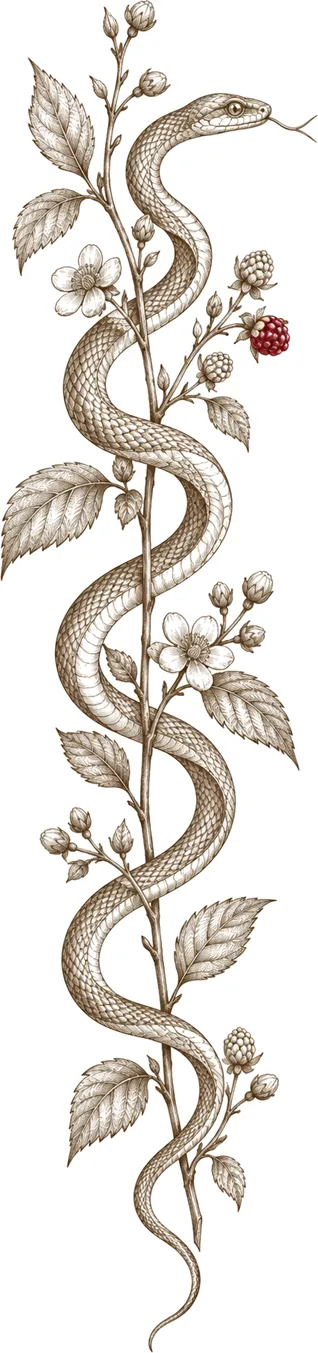
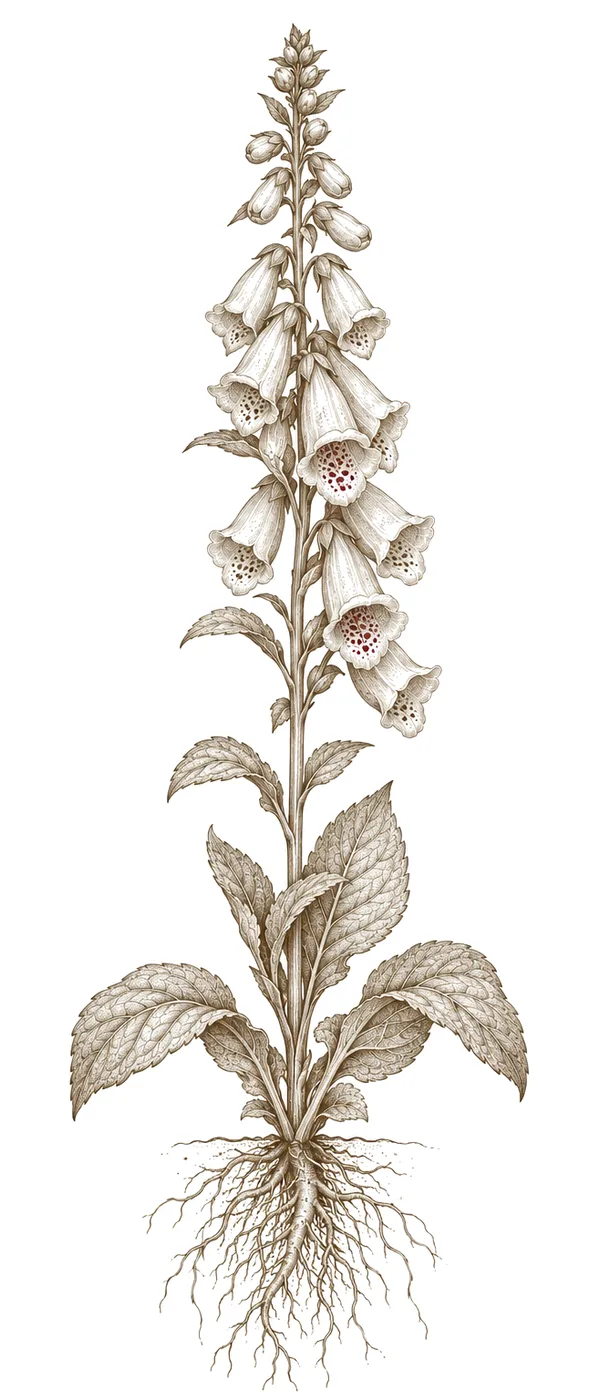
Images of tattoo designs on this site are AI-generated illustrations for inspiration, not photographs of real healed tattoos. Use them to discuss a visual direction, then judge decisions with an experienced artist and authentic healed portfolio examples.