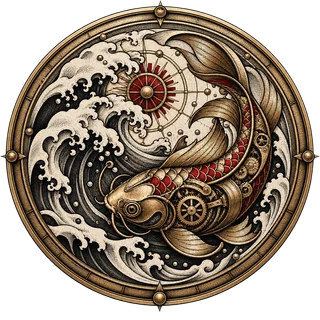
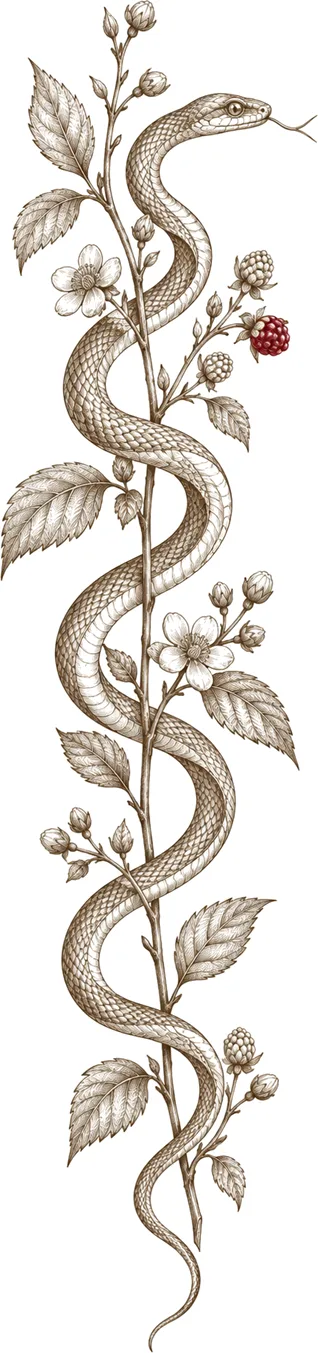
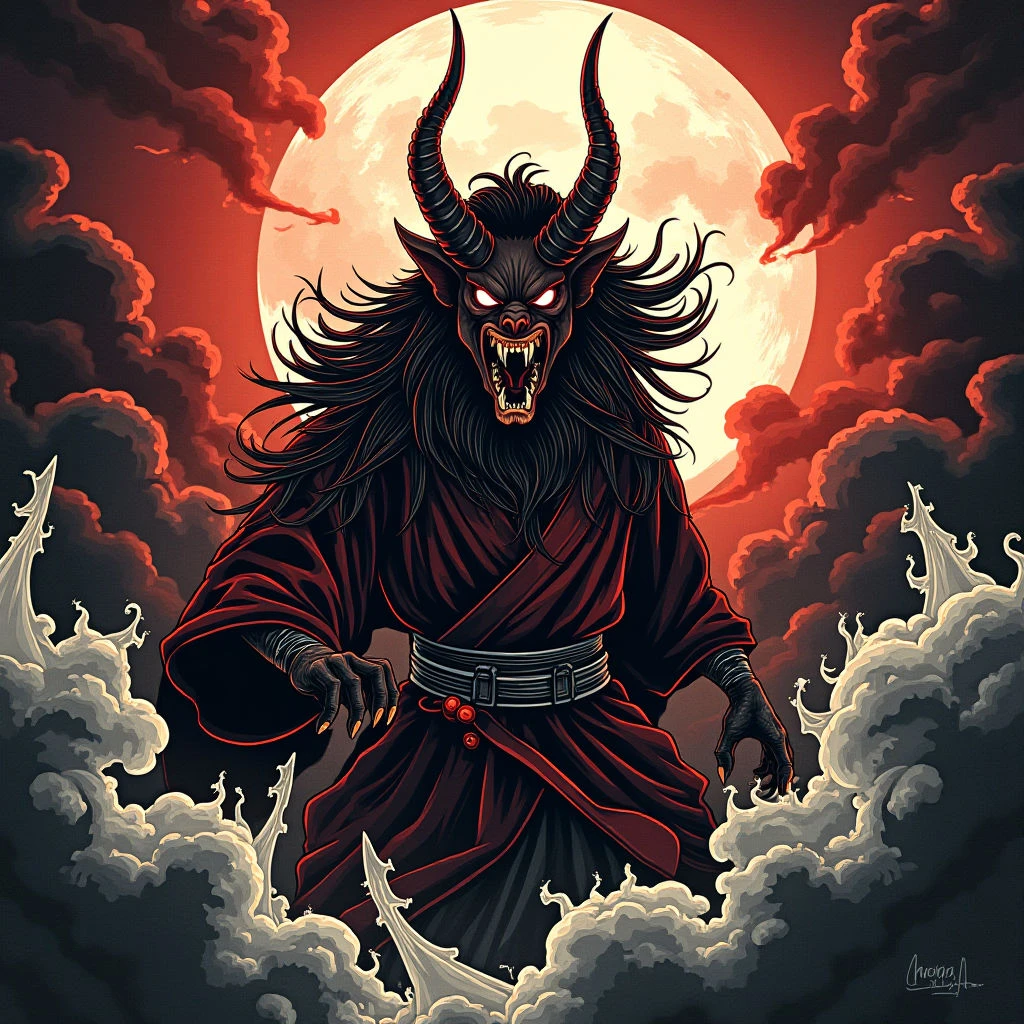
Japanese tattooing, known as Irezumi, has a fascinating history deeply connected to folklore, mythology, and cultural symbolism. It’s often admired for its beauty, but truly understanding the themes considered 'evil' requires sensitivity and respect.
Understanding the Symbolism
The idea of what constitutes ‘evil’ changes from culture to culture. In Japanese tattoo art, figures we might see as evil in the West—demons (oni), serpents (tora/kuro-yoru), or even certain animals—can actually symbolize strength, protection, and overcoming challenges. Take the Oni, for example; they're often depicted as powerful guardians, keeping away bad spirits.
Historical Context
Historically, Irezumi was unfortunately linked to criminals and those living on the fringes of society. Over time, though, it transformed into a symbol of defiance and resilience for various groups. Acknowledging this complex history—and the social stigmas attached to it—is essential when exploring these ‘evil’ designs. The Yakuza, for instance, embraced specific imagery.
Responsible Representation
It's vital to approach these designs with respect and avoid taking them out of context or making light of their significance. Really digging into the origins of symbols, understanding what they originally meant—that’s key. Talking to experienced tattoo artists who specialize in Japanese styles can also provide valuable cultural insights.