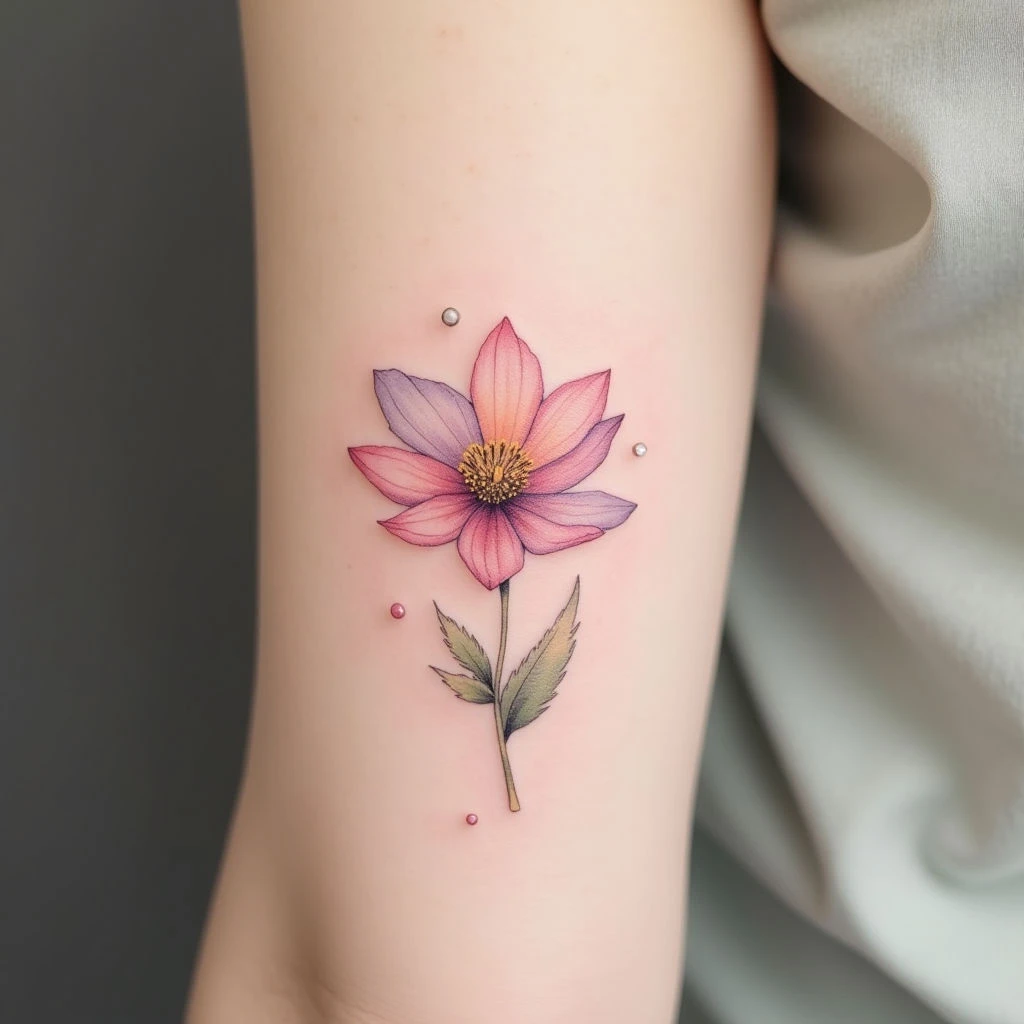
Flowers resonate deeply across cultures—they’re more than just pretty; they represent beauty, resilience, growth, and femininity. A floral tattoo can be a really personal choice, too – a way to remember loved ones, cherished moments, or tap into your own inner strength.
Understanding Floral Symbolism
Traditional Japanese irezumi art uses these symbols extensively, layering meaning into each blossom. When choosing a design, it’s worth considering what different flowers represent:
Choosing Your Flower
- Cherry Blossom (Sakura): Captures the fleeting beauty of life and renewal—a central concept in Japanese aesthetics. It's about appreciating the ephemeral.
- Lotus: Symbolizes purity, enlightenment, and rebirth; a beautiful image of rising from difficult circumstances to bloom.
- Rose: Often linked with love and elegance, but the meaning shifts depending on color—red for passionate love, white for innocence, and so on. There's even a sense of secrecy associated with them sometimes.
- Peony: Represents prosperity, honor, and good fortune; you’ll often see them depicted in rich, vibrant colors.
Placement and Style Considerations
Simple flower tattoos are surprisingly versatile. Think about placement—a wrist tattoo, an ankle piece, behind the ear, or on your shoulder all showcase their delicate beauty well. A minimalist style with clean lines and subtle shading often creates a timeless look.
Tebori techniques can add incredible texture and depth to floral designs, but they require real skill to master.
Respecting Japanese Tradition
If you're drawn to a traditional Japanese flower design, it’s important to understand the historical context. For example, cherry blossoms are deeply connected to mono no aware—that poignant appreciation of life’s impermanence. Getting the symbolism right matters; improper interpretation can be disrespectful. Always do your research and consider consulting with an experienced artist.