
Forearm Tattoo Cover-Ups: A Guide to Transformation
Covering up an old or regrettable tattoo can be a really transformative experience. The forearm is often a great canvas for creative solutions, but it's worth putting some thought into the process beforehand.
Understanding the Cover-Up Challenge
A successful cover-up really hinges on understanding what you're working with. You need to assess the existing tattoo – its size, colors, and how detailed it is. Generally speaking, darker inks are easier to hide than lighter ones; the color of your skin also plays a role in choosing new colors and techniques.
Design Ideas for Your Forearm Cover-Up
Let's explore some design options. There are tons of possibilities!
-
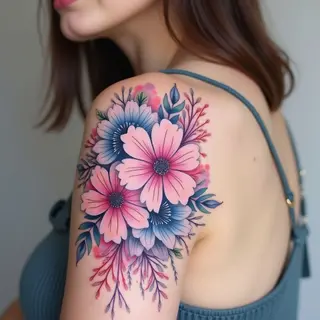
Nature Scenes
Think lush forests, vibrant flowers—anything that can effectively camouflage the existing ink.
-
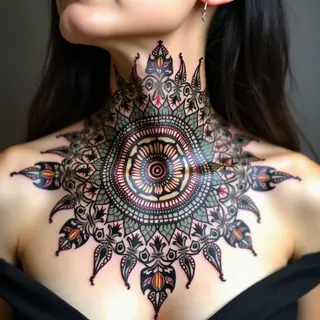
Geometric Patterns
Bold geometric shapes and intricate patterns offer a modern look while concealing older tattoos.
-
Abstract Art
Abstract designs are fantastic for covering irregular shapes or faded lines—they offer a lot of flexibility.
-
Tribal Designs
Strong tribal patterns, especially those using solid black ink, are excellent for obscuring other colors.
-
Portrait Tattoos
A well-done portrait can really transform an old tattoo into something new and meaningful.
The Importance of a Skilled Artist
Finding the right artist is key. You want someone with experience in cover-up work who can analyze your existing tattoo, collaborate on design ideas, and ensure proper color placement and shading for the best possible result. A consultation beforehand is essential—it’s a chance to discuss feasibility and any concerns you might have.
Pain Management and Aftercare
Keep in mind that cover-up tattoos often require multiple sessions because of the layering of ink. Chat with your artist about pain management options, and be sure to follow their aftercare instructions carefully to promote healing and prevent infection.