Geometric tattoos are everywhere these days, and it's easy to see why – the precision and depth really stand out. But there’s more to them than just looks; they carry a lot of symbolism tied to ancient traditions and math.
A Look Back: History & Inspiration
Geometric patterns aren’t new. They've been part of cultures around the world for thousands of years. Think about Celtic knots, Mayan calendars, or Islamic tessellations – they all show how humans have long been drawn to order and balance. Modern geometric tattoos often take inspiration from these historical designs, blending them with a contemporary feel.
Decoding the Symbols: What They Mean
At their heart, geometric designs represent balance and harmony—the idea that everything is connected. Let's break down some common symbols:
-
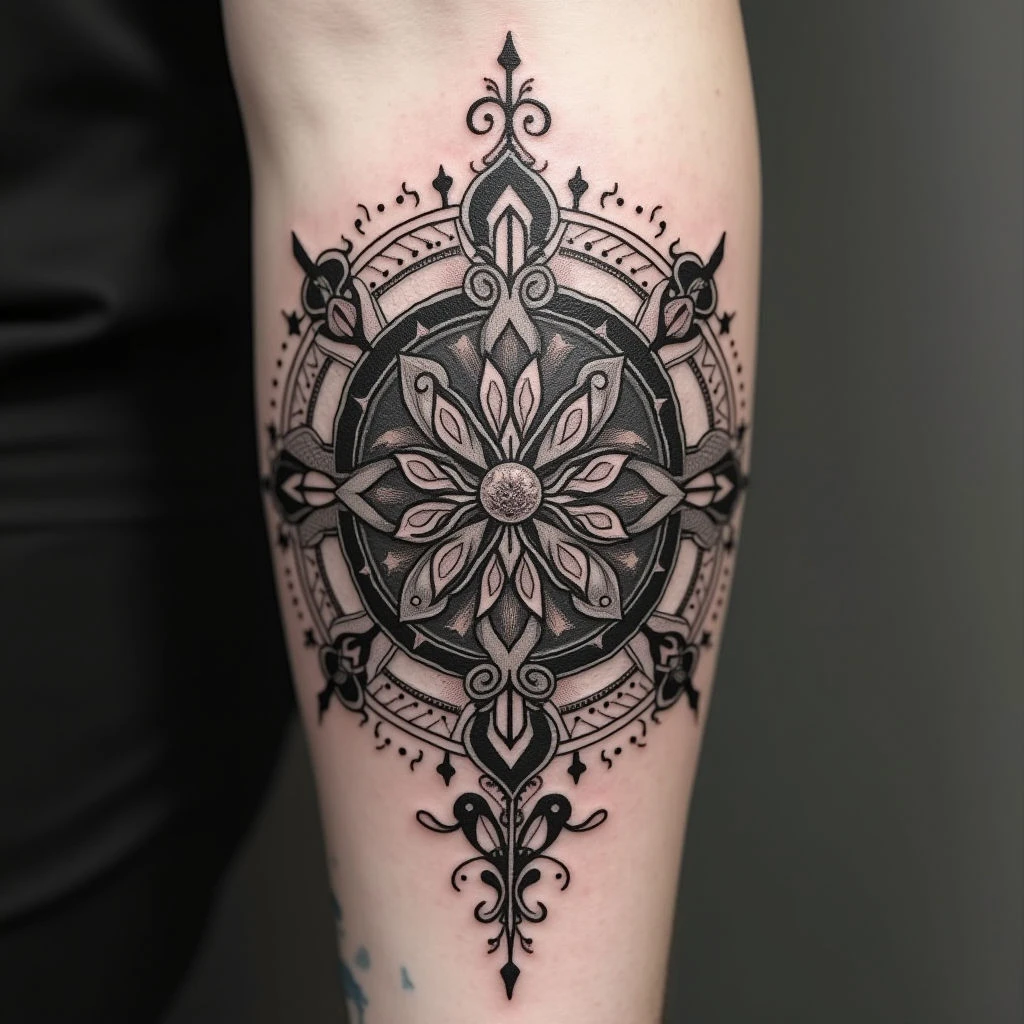
Mandalas
Representing wholeness and unity in Hinduism and Buddhism, a mandala tattoo often marks a personal spiritual journey. -
Metatron's Cube
This complex figure is believed to contain all five Platonic solids, symbolizing the fundamental building blocks of the universe. -
Seed of Life
A foundational pattern in sacred geometry, it represents creation and potential—a powerful image for a tattoo. -
Fibonacci Sequence/Golden Ratio
Found throughout nature, these sequences embody natural beauty and mathematical perfection—a subtle nod to the underlying order of things.
Popular Designs & Styles
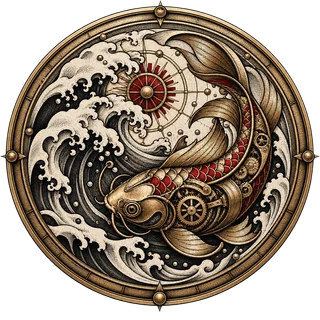
You'll find tons of variations out there: intricate line work, dotwork patterns, black and grey shading, or even vibrant colors. Common choices include mandalas, Metatron’s Cube, geometric animals, and abstract designs that incorporate sacred geometry.
Finding Your Design & Placement
The best design is one that truly resonates with you. Take some time to research different geometric forms and understand their symbolism. As for placement, the possibilities are endless – from your arm or back to your ribs or legs—each location creates a unique visual impact.