Ghost tattoos carry a lot of weight—they’re powerful symbols rooted in folklore and personal experiences. They can mark loss, celebrate remembrance, connect you to spirituality, or even serve as a form of protection.
Exploring Different Design Styles
Let's dive into some popular design approaches for ghost tattoos. There’s more variety than you might think!
Traditional Apparitions
These are the classic images that come to mind: spectral figures swathed in white sheets or flowing robes. They often represent ancestors or spirits, a direct line to those who came before.
Japanese Yokai
Inspired by Japanese folklore, these designs showcase mischievous or benevolent ghosts—each with its own unique personality and visual traits. They’re a fascinating blend of tradition and artistry.
Modern Interpretations
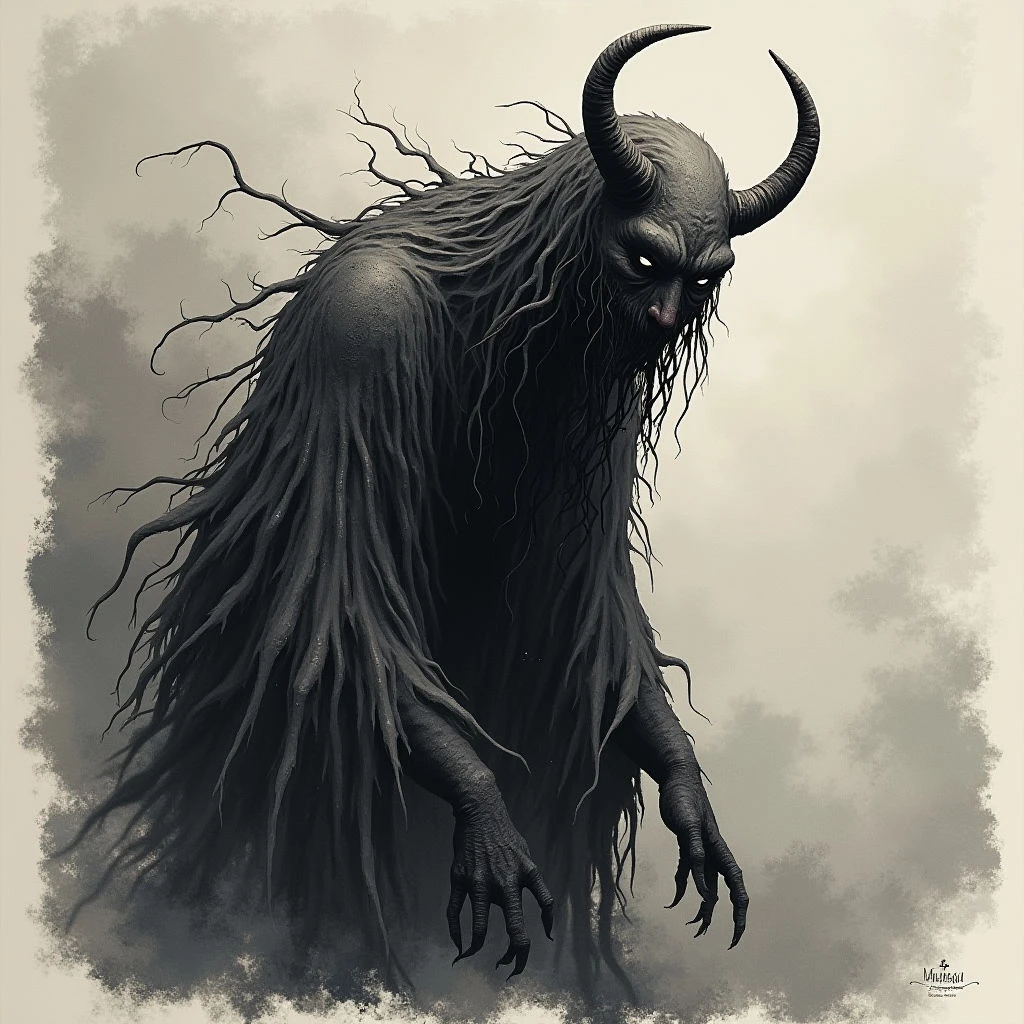
Contemporary tattoo artists are pushing the boundaries, reimagining ghost tattoos with more artistic and abstract approaches. It’s a great way to create something truly one-of-a-kind.
Understanding the Symbolism
Beyond aesthetics, ghost tattoos hold deep meaning. Here's a look at some common interpretations:
- Remembrance: A beautiful way to honor loved ones who have passed on.
- Spirituality: Representing a connection to the spiritual realm or your ancestors—a tangible link to something larger than yourself.
- Protection: Some believe that these tattoos offer protection from harm, acting as a guardian spirit.
Placement Ideas
Where you place your ghost tattoo is just as important as the design itself. Popular choices include the shoulder, back, forearm, and ribs—each offering a different visual impact.