Home > Categories > tribal > How to Design Your Own Authentic Polynesian Tattoo

Learn the steps to designing your own ta moko, incorporating cultural significance and ancestral patterns. Respect traditional Polynesian tattoo practices.

Crafting a Ta Moko: Honoring Polynesian Tradition

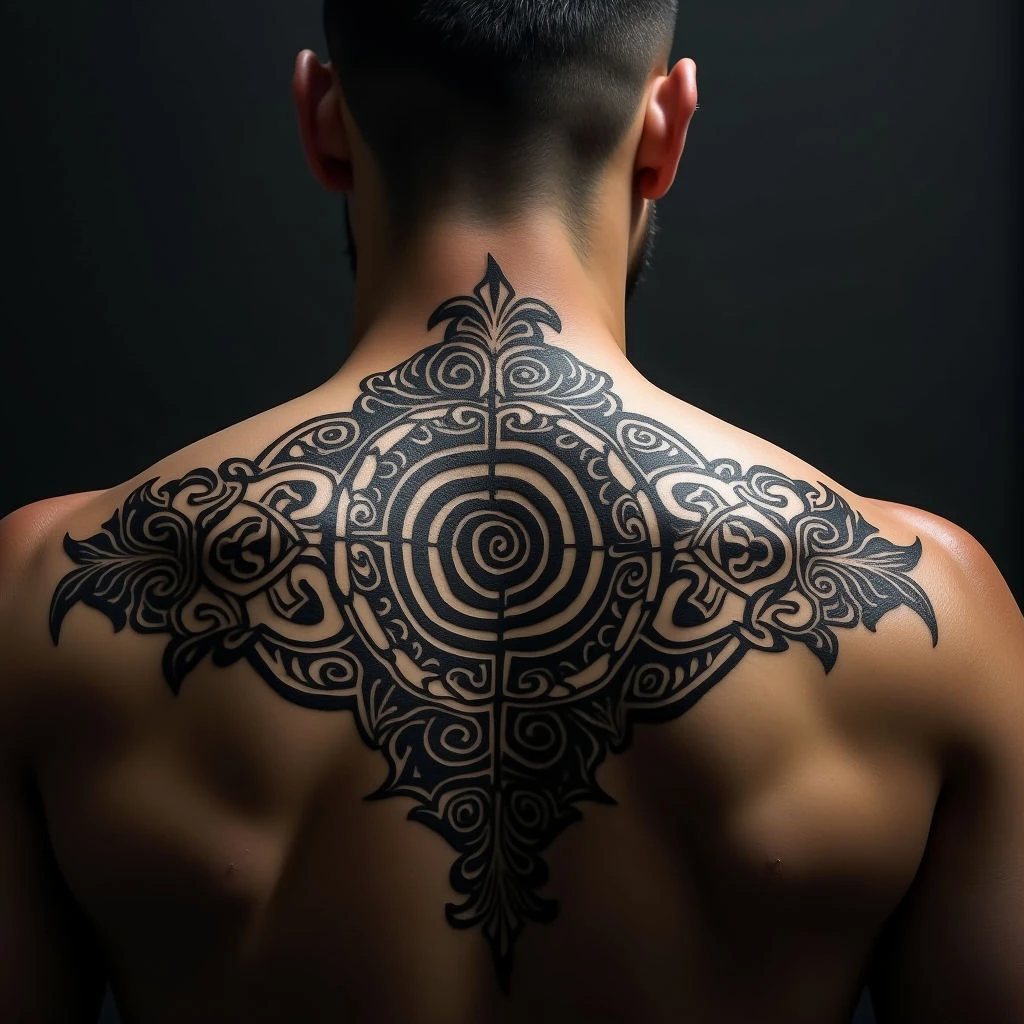
Designing a Polynesian tattoo, or ta moko, goes far beyond creating an image—it's about connecting to history, lineage, and spiritual meaning. This guide explores the process of designing a ta moko that truly honors these traditions.

Understanding Ta Moko

Traditionally, ta moko was a sacred practice held by skilled practitioners with deep knowledge of ancestral stories and patterns. These designs weren't just decoration; they told the wearer’s story—their whakapapa (genealogy), accomplishments, and place within their community.

Designing Your Ta Moko

1. Researching Your Ancestry

Before you even start sketching shapes and lines, dig into your family history. What are their stories? Which symbols held significance for them? Really understanding your lineage is key to creating a design that feels authentic.

2. Symbolism in Ta Moko

Polynesian designs are full of symbolism. Here's a look at some common motifs:

  • Koruru (Spiral): Represents life, growth, and the interconnectedness of all things.
  • Niho (Teeth): Symbolize strength, protection, and ancestors.
  • Mangōro (Flounder): Represents balance, harmony, and adaptability.
  • Tatau (Waves): Represent the ocean’s power, a life-giving force, and your journey.

3. Consulting with an Expert

While this guide offers some insight, getting advice from an experienced ta moko artist is invaluable. They can ensure cultural accuracy and help translate your ideas into a design that respects tradition. A true practitioner prioritizes cultural sensitivity above all else.

4. Design Elements & Layout

Think about how the design will flow on your body. Traditional ta moko often follows specific pathways based on anatomical landmarks. Work with an artist to find the best placement and see how different elements work together.

5. Respecting the Sacredness

Getting a ta moko is a deep commitment. Approach it with humility, respect for tradition, and a true understanding of its significance.

How to Design Your Own Authentic Polynesian Tattoo

Home > Categories > tribal > How to Design Your Own Authentic Polynesian Tattoo

Learn the steps to designing your own ta moko, incorporating cultural significance and ancestral patterns. Respect traditional Polynesian tattoo practices.

Crafting a Ta Moko: Honoring Polynesian Tradition

Designing a Polynesian tattoo, or ta moko, goes far beyond creating an image—it's about connecting to history, lineage, and spiritual meaning. This guide explores the process of designing a ta moko that truly honors these traditions.

Understanding Ta Moko

Traditionally, ta moko was a sacred practice held by skilled practitioners with deep knowledge of ancestral stories and patterns. These designs weren't just decoration; they told the wearer’s story—their whakapapa (genealogy), accomplishments, and place within their community.

Designing Your Ta Moko

1. Researching Your Ancestry

Before you even start sketching shapes and lines, dig into your family history. What are their stories? Which symbols held significance for them? Really understanding your lineage is key to creating a design that feels authentic.

2. Symbolism in Ta Moko

Polynesian designs are full of symbolism. Here's a look at some common motifs:

  • Koruru (Spiral): Represents life, growth, and the interconnectedness of all things.
  • Niho (Teeth): Symbolize strength, protection, and ancestors.
  • Mangōro (Flounder): Represents balance, harmony, and adaptability.
  • Tatau (Waves): Represent the ocean’s power, a life-giving force, and your journey.

3. Consulting with an Expert

While this guide offers some insight, getting advice from an experienced ta moko artist is invaluable. They can ensure cultural accuracy and help translate your ideas into a design that respects tradition. A true practitioner prioritizes cultural sensitivity above all else.

4. Design Elements & Layout

Think about how the design will flow on your body. Traditional ta moko often follows specific pathways based on anatomical landmarks. Work with an artist to find the best placement and see how different elements work together.

5. Respecting the Sacredness

Getting a ta moko is a deep commitment. Approach it with humility, respect for tradition, and a true understanding of its significance.