


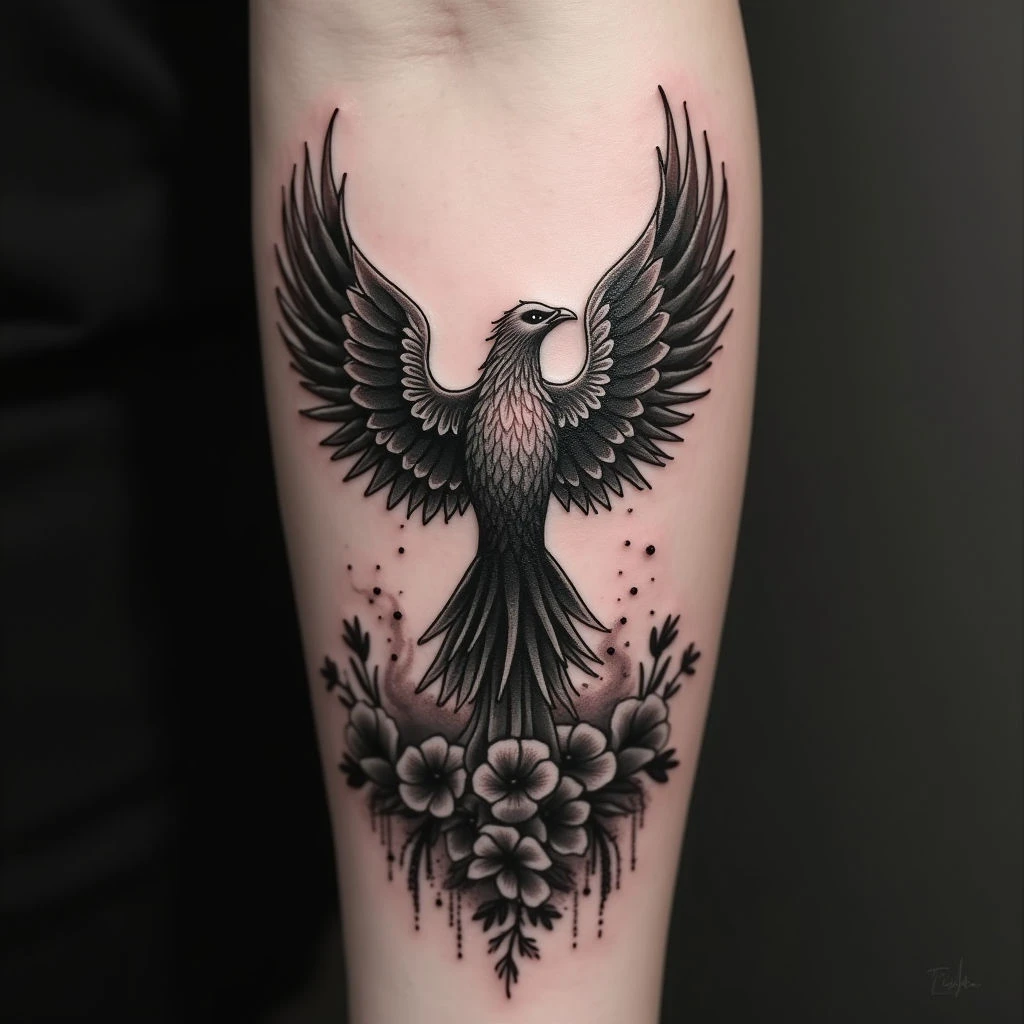
Tattoos can be more than just art; they’re powerful expressions of who we are, how far we've come, and the strength we carry. If you're working through trauma recovery, a meaningful tattoo can become a tool for reclaiming your body and rewriting your story—but creating something truly significant requires intention.
Understanding Your Story: The Foundation
The most meaningful tattoos start with a deep look inward. What experiences have shaped you? Which symbols feel like they truly represent your journey? Think about themes of strength, hope, remembrance—or even transformation.
Symbolism and Imagery: Finding the Right Visuals
Exploring tattoo symbolism is key. A phoenix rising embodies rebirth, a lotus represents purity and enlightenment, and anchors symbolize stability—all potent images to consider. Don't hesitate to combine symbols for a unique design that tells your story. And remember: cultural significance matters; always research the origins of any symbol before committing.
Collaborating with Your Artist: A Partnership
Finding an artist who understands your vision and appreciates the therapeutic potential of tattooing is crucial. Openly discuss your ideas, trust their expertise to translate those concepts into a beautiful design that lasts. Look for artists specializing in trauma recovery tattoos—they often have a deeper understanding of symbolism and emotional resonance.
Placement: Where Your Tattoo Will Reside
Consider the placement carefully. Do you want a constant reminder, or something to display with strength? Think about visibility and personal significance—where will this tattoo feel most impactful?
Beyond Aesthetics: The Healing Power
A meaningful tattoo can be so much more than decoration. It’s an anchor for self-compassion, a reminder of progress made, and a connection to those we've lost. These tattoos are tangible representations of your healing journey—and even as emotions evolve over time, the power of that symbol will remain.