
Jailhouse tattoos occupy a unique, often misunderstood corner of tattoo history. They're more than just ink; they’re powerful stories etched onto skin—records of survival, solidarity, and identity forged within the prison system.
Historical Context: Making Ink in Restricted Spaces
Historically, getting a tattoo behind bars wasn't easy. Access to tools was limited, so inmates got resourceful. They fashioned makeshift equipment from sharpened pencils, soap, even bone fragments—resulting in raw but potent designs. These weren’t just decorations; they were a form of communication, marking gang ties, personal milestones, and narratives that couldn’t be voiced otherwise.
Common Symbols: What the Ink Really Means
Certain images carry significant weight within jailhouse culture. Let's look at a few:
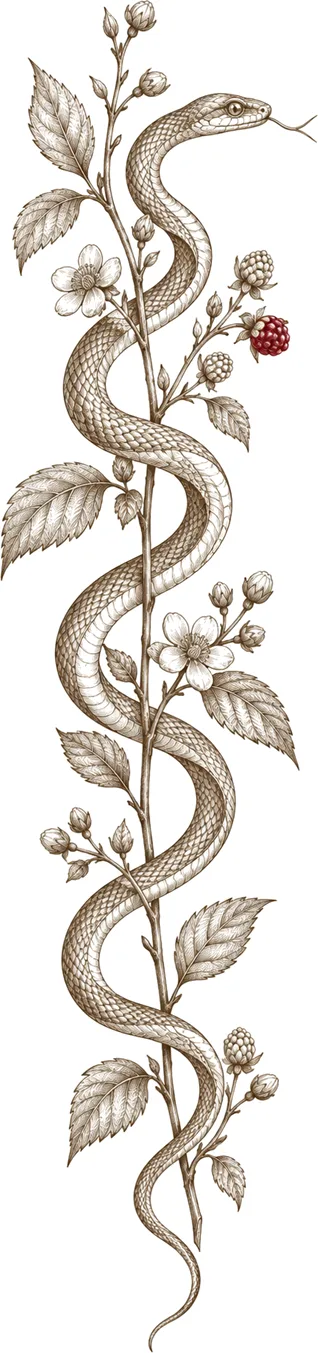
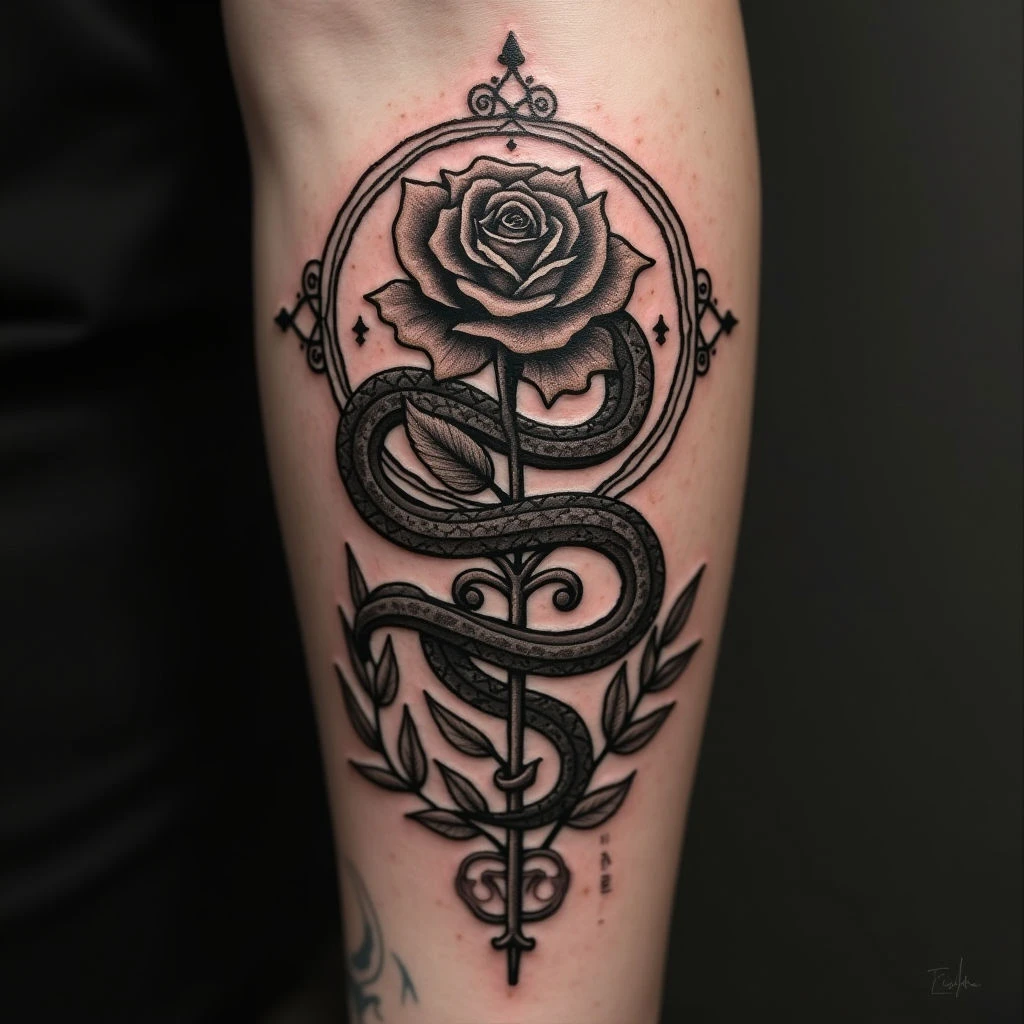
- Snake: Represents cunning, adaptability—the ability to survive.
- Spiderweb: A symbol of feeling trapped or longing for freedom.
- Crosses: Can mark religious faith, signify gang affiliation, or simply track time served.
- Barbed Wire: A direct and stark reference to incarceration itself.
- Teardrops: Traditionally represent lost loved ones or years spent behind bars, though their meaning is often complex and debated.
Modern Interpretations: Beyond the Prison Walls
Today, jailhouse tattoo imagery continues to resonate. Modern artists are reinterpreting these symbols for personal expression outside of prison—a way to acknowledge resilience, connect with those who’ve been incarcerated, or simply appreciate that raw, early tattoo aesthetic.
Respect and Understanding
It's vital to approach this subject with respect. Truly understanding the history and meaning behind jailhouse tattoos means acknowledging the experiences of those who created them—the stories etched into their skin.