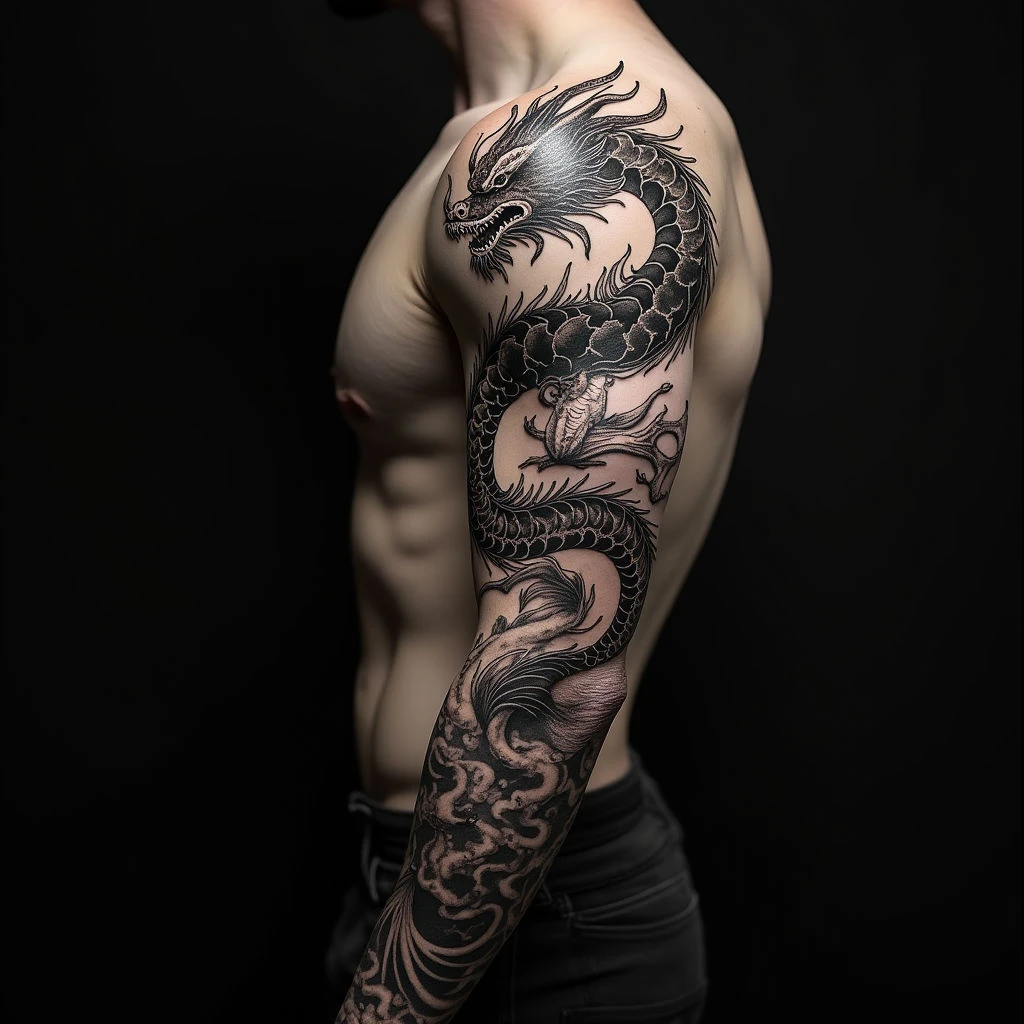
Japanese monochrome tattoos, or irezumi, possess a striking beauty and hold a significant place in artistic history. Early practitioners worked with just black ink—often soot mixed with rice water or vegetable dyes—which created an evocative power that went beyond color.
A Tradition Rooted in History
The tradition stretches back centuries, deeply connected to societal roles and spiritual beliefs. Think of the samurai—they often chose these tattoos as a visible declaration of their loyalty and resilience.
Symbolism in Black and White
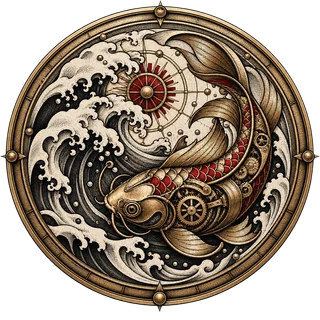
Even today, the aesthetic remains captivating. Dragons aren't just decoration; they symbolize strength and wisdom. Koi fish represent perseverance—a quiet determination to overcome obstacles. And tigers? They embody courage.
The Artist’s Skill
Creating these tattoos isn't simple; it requires real skill. The artist’s mastery lies in using only shades of black to create depth and dimension, achieved through meticulous line work and careful shading.
A Timeless Appeal
The enduring appeal of Japanese black and white tattoos speaks to a timeless elegance, connecting us to centuries of artistry and cultural significance. It’s more than just ink on skin; it's a visual narrative.