Japanese tattooing, known as Irezumi, is a deeply meaningful art form with roots in history and rich symbolism. Each design carries layers of significance—often drawing from Buddhist teachings, Shinto beliefs, folklore, and the individual’s story. Really appreciating these symbols unlocks a whole new level of understanding for this intricate practice.
Exploring Common Motifs
Let's look at some frequently seen motifs and what they represent. It’s more than just decoration; it’s a visual language.
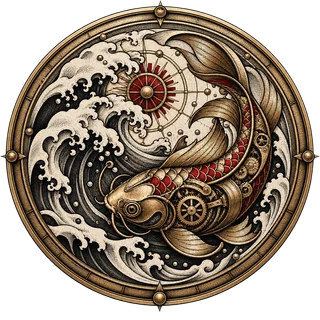
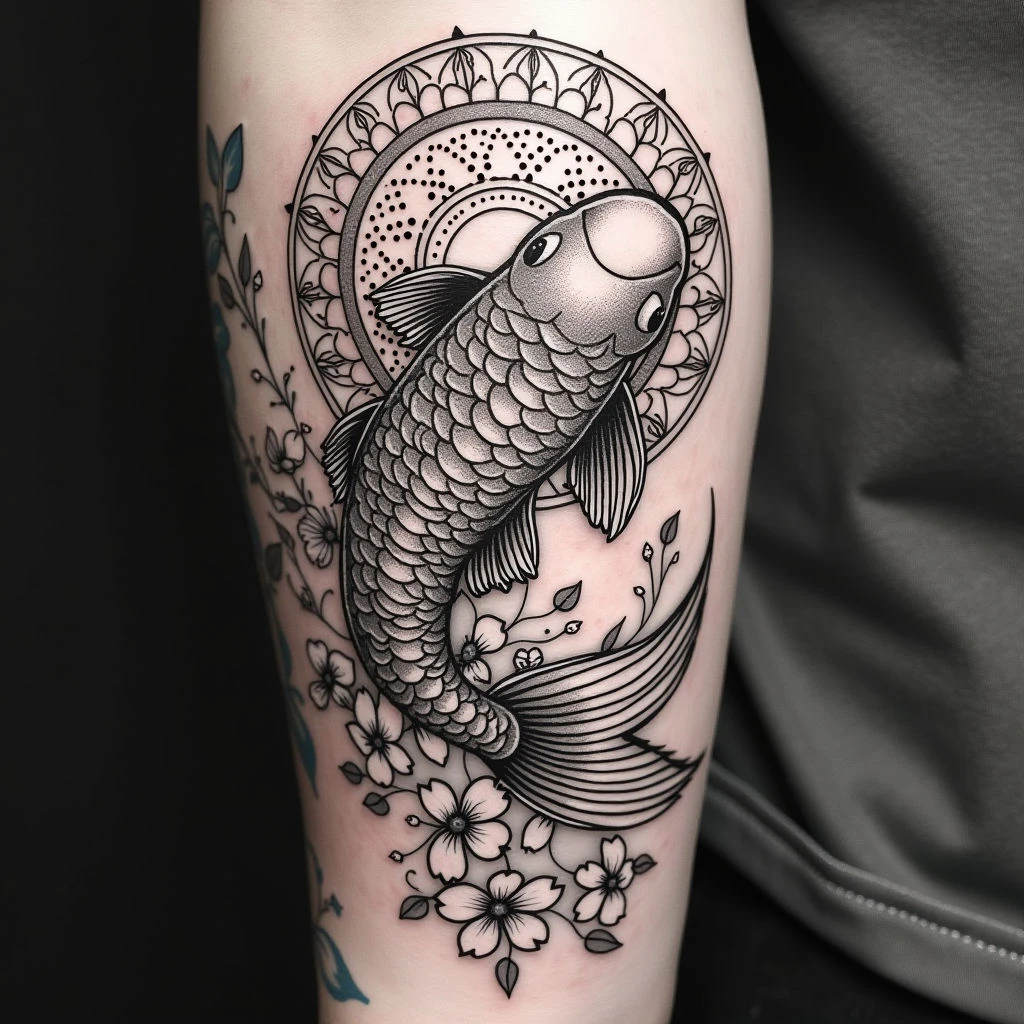
Koi (Carp)
The koi, or carp, embodies perseverance, courage, and determination. The well-known story of a koi swimming upstream to transform into a dragon beautifully illustrates the idea of personal transformation and overcoming challenges—a powerful message.
Dragon (Ryū)
Dragons symbolize strength, wisdom, and good fortune. They're often depicted as controlling water and weather, representing immense power and protection.
Tiger (Tora)
The tiger represents courage, strength, and shields against evil spirits. It’s a formidable guardian in Japanese folklore—a symbol of fierce protection.
Cherry Blossom (Sakura)
Cherry blossoms, or sakura, signify the fleeting nature of life, beauty, and renewal. They serve as a poignant reminder to cherish each moment because nothing lasts forever.
Phoenix (Hō-ō)
The phoenix embodies rebirth, immortality, and resurrection—a powerful symbol of hope and the ability to overcome adversity.
Geisha
A geisha represents grace, artistry, and entertainment. They often reflect the complexities within Japanese social structures.
Samurai
The samurai symbolizes honor, loyalty, and martial skill. It’s a representation of unwavering dedication to duty and self-sacrifice—a commitment to a code.
Mandala
A mandala is an intricate geometric design found in Buddhist art that represents the universe itself. It can symbolize wholeness, harmony, and interconnectedness.
The Historical Context of Irezumi
The history of Irezumi is fascinating. Initially associated with those on the fringes of society, it transformed into a symbol of rebellion and artistic expression during the Edo period.