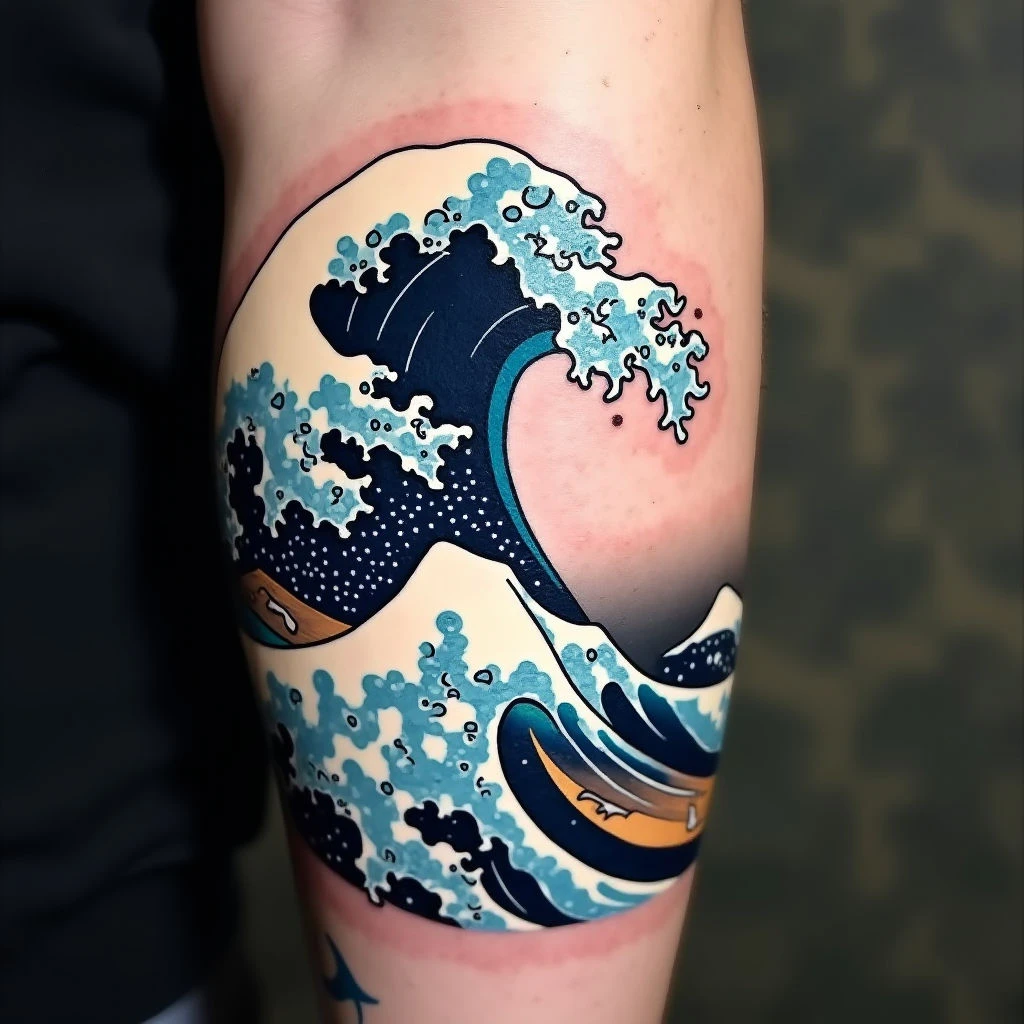
That iconic image—a breaking wave, often inspired by Hokusai’s 'Great Wave off Kanagawa'—is deeply embedded in Japanese culture and a frequent choice for tattoos. But what does a Japanese wave tattoo really signify? It goes far beyond just an attractive visual.
Symbolism & Meaning
Waves, in essence, embody the ocean's immense power and its unpredictable nature—a reflection of life’s challenges and forces that are often beyond our control. They aren't just pretty; they carry a lot of weight.
Nature's Power
The sheer force of the ocean is undeniable, and waves serve as a potent reminder of it.
Resilience & Perseverance
Think about how waves crash against rocks, yet they keep rolling. This embodies overcoming adversity and demonstrating strength—a constant push forward despite obstacles.
Protection & Guidance
Some see the wave as a symbol of protection from harm or guidance through difficult times; a reassuring presence in turbulent waters, if you will.
Connection to Ancestors
The ocean’s role in Japanese history and culture is profound. A wave tattoo can represent a connection to ancestors and the sea's bounty—a link to heritage and tradition.
Design Variations
While 'The Great Wave' remains a classic, designs can be customized to add layers of personal meaning. It’s about making it your own.
Adding Animals
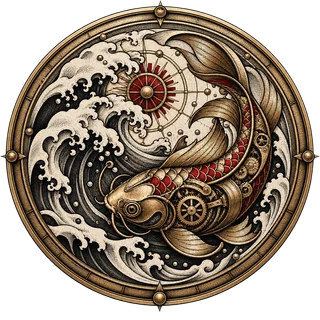
Incorporating elements like koi fish (representing perseverance), dragons (symbolizing strength), or cranes (signifying longevity) amplifies the tattoo's symbolism—a visual shorthand for personal values.
Mount Fuji Integration
Including Mount Fuji in the background provides cultural context and represents Japan’s enduring spirit. It grounds the wave within a specific place and time.
Stylistic Choices
From traditional woodblock printing aesthetics to modern, minimalist interpretations, a wave tattoo can be adapted to reflect individual preferences—a canvas for personal expression.