

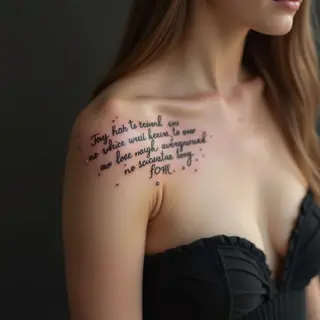
Japanese Word Tattoos: Meaning & Design
The appeal of Japanese word tattoos is undeniable – they offer a way to express deep meaning through beautiful characters. Whether you’re drawn to strength (力 – chikara) or serenity (静寂 – seijaku), these symbols can hold significant personal weight.
Understanding the Writing Systems
Japanese writing combines three distinct scripts: Kanji, Hiragana, and Katakana. Kanji are borrowed Chinese characters that carry meaning; Hiragana is a phonetic script for native Japanese words; and Katakana is primarily used for foreign loanwords. The choice of which to use depends on the look you’re after – Kanji provides a striking visual impact, while Hiragana lends a softer feel.
Exploring Popular Words and Their Significance
It's more than just translation; consider the cultural context. For example, *'Hakanai'* (儚い) captures a sense of fleeting beauty—a poignant concept. '*Kokoro'* (心) speaks to your inner self, your spirit. And '*Yume'* (夢) represents dreams and aspirations. Taking the time to research these nuances will help you select a word that truly resonates with what you want to express.
Design Styles: From Traditional to Modern
Traditional Japanese tattoos often feature bold lines, dynamic compositions, and iconic imagery like dragons, koi fish, and cherry blossoms. Today, you’ll see modern interpretations that blend these classic elements with techniques like minimalist dotwork or watercolor for a more contemporary feel. Dotwork, in particular, works beautifully with the intricate details of Kanji.
Placement and Size Considerations
Think about the shape and size of the characters when deciding where to place your tattoo. Larger kanji often look best on broader areas like the back or forearm, while smaller phrases can be elegantly placed on the wrist or ankle.