Exploring Korean culture through body art is a beautiful way to show respect and connection. When you choose a Korean word tattoo, it carries real weight—understanding its meaning and cultural context becomes essential.
Popular Korean Words & Phrases for Tattoos
Here's a look at some popular choices, along with design ideas and things to keep in mind.
Love (사랑 - Sarang)
“Sarang” means love—a classic choice for expressing deep affection or honoring family. Designs can be simple calligraphy, or more elaborate floral arrangements that symbolize the blossoming of love.
Happiness (행복 - Haengbok)
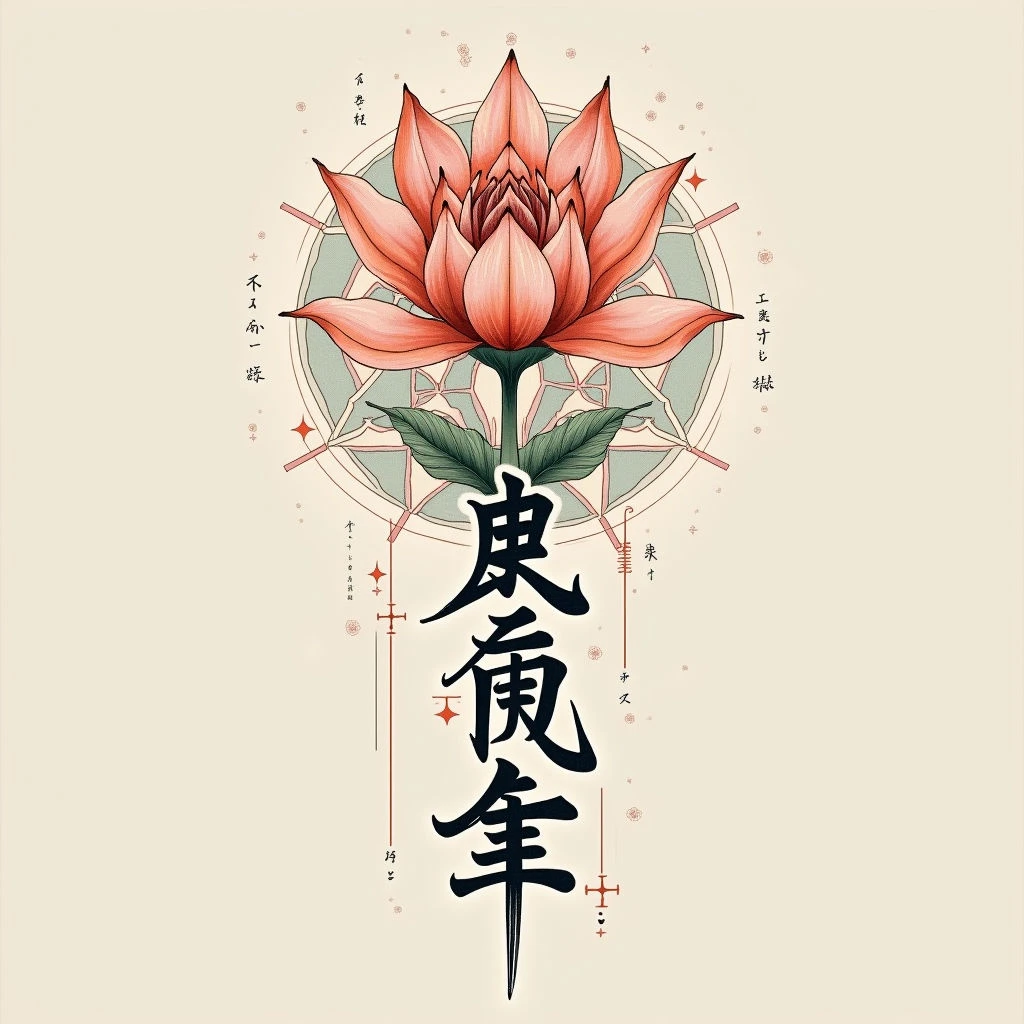
Representing happiness and bliss, “Haengbok” embodies contentment. Consider incorporating imagery like blooming lotuses or birds in flight to visually represent this feeling.
Courage (용기 - Yonggi)
“Yonggi” means courage and bravery—an inspiring choice for those who want to show resilience and strength. Traditional Korean dragons, symbols of power and protection, are a common design element.
Peace (평화 - Pyeonghwa)
This word signifies peace—a powerful symbol for those seeking serenity and balance. Combining the characters with flowing water imagery can enhance that sense of tranquility.
Family (가족 - Gajok)
“Gajok” is a heartfelt tribute to loved ones. A family tree design or individual character representations are both meaningful options.
Design Considerations
Beyond the meaning, think about how you want the tattoo to look. Korean calligraphy has several distinct styles—traditional, modern, or stylized—each offering a unique aesthetic.
Placement matters too. Shorter phrases often work well on wrists or ankles, while longer ones might be better suited for larger areas like the back or thigh.
Important Notes
Before you commit, it's crucial to consult with a reputable tattoo artist who’s experienced in Korean calligraphy and understands the nuances of the language. Accurate translation and respectful representation are key.