Tattoos aren't just about the artwork; they’re visual stories—woven with history, culture, and personal meaning. Throughout different societies and times, certain symbols have held deep significance, often representing beliefs or life experiences.
Ancient Roots & Cultural Traditions
For generations, many cultures used tattoos as rites of passage, spiritual markings, or to show social standing. Take Polynesian tattoos, for example—they tell intricate stories about family history, accomplishments, and a connection to nature. In some Indigenous communities, these marks held sacred power, earned through acts of bravery or spiritual insight.
Respecting Cultural Appropriation
It's essential to approach tattoo symbolism with respect and awareness. Many traditional designs are deeply rooted in specific cultures, so it’s important not to appropriate them without understanding their origins and getting permission when necessary. Running Bear’s experience with Native American traditions highlights the importance of cultural sensitivity—do some research before you commit!
Personal Meaning & Self-Expression
Beyond those traditional meanings, tattoos often hold profound personal significance. A symbol might represent a lost loved one, a major milestone in your life, or something you deeply believe in. They can be powerful ways to express yourself and reclaim your story.
Common Tattoo Symbols & Their Meanings
Here's a look at some common symbols—remember, the true meaning is always personal:
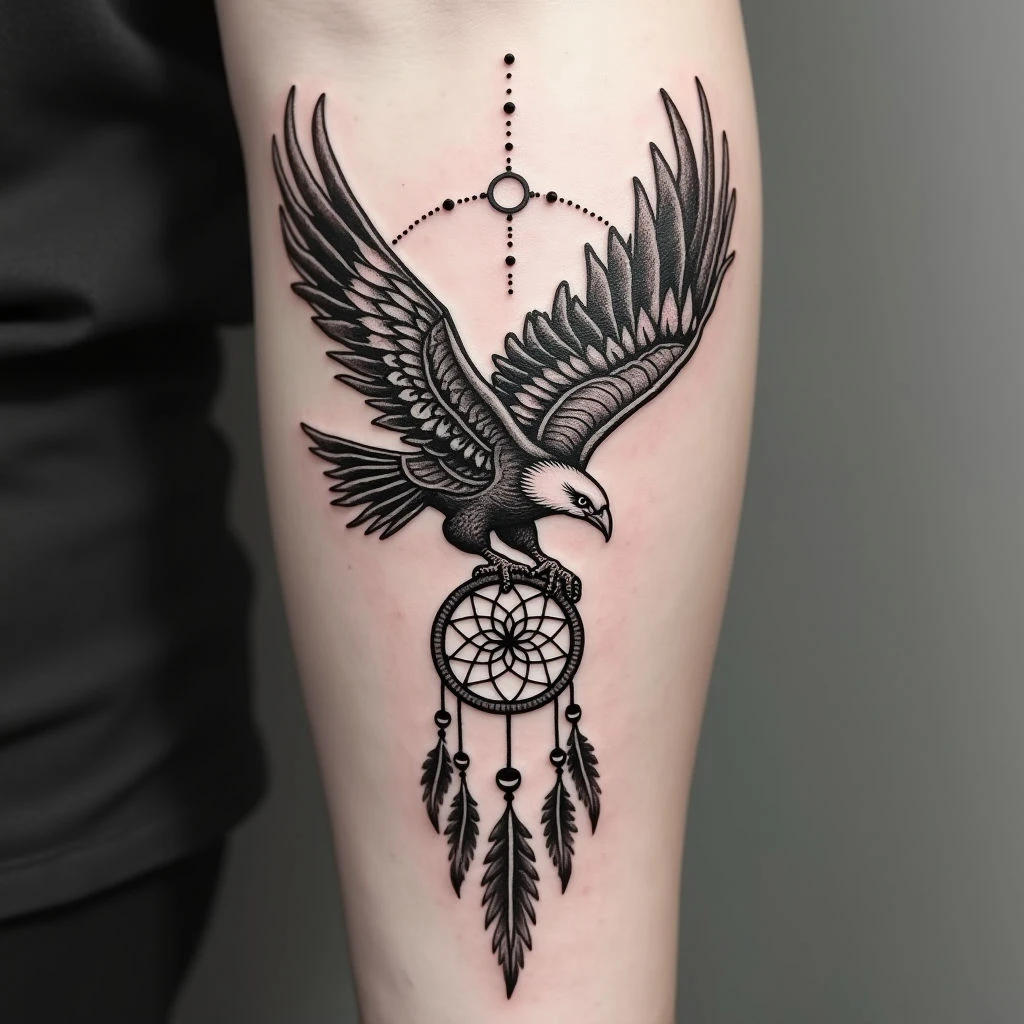
- Eagle: Freedom, strength, courage
- Dreamcatcher: Protection from bad dreams, spiritual connection
- Rose: Love, beauty, passion
- Anchor: Stability, hope, grounding
- Compass: Guidance, direction
Ultimately, the meaning behind a tattoo is deeply personal. But taking the time to understand its cultural context and potential symbolism can enrich your experience—and ensure you’re honoring traditions with respect.