Tattoos—they’re more than just art on skin. For thousands of years, they've been a way for people to express themselves and tell stories, evolving across cultures and time. But what do these designs really mean? Let's explore the fascinating world of tattoo symbolism, looking at cultural roots, personal motivations, and how inked designs communicate identity.
Cultural & Historical Significance
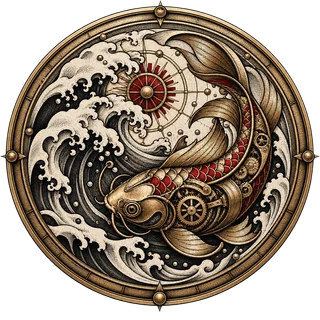
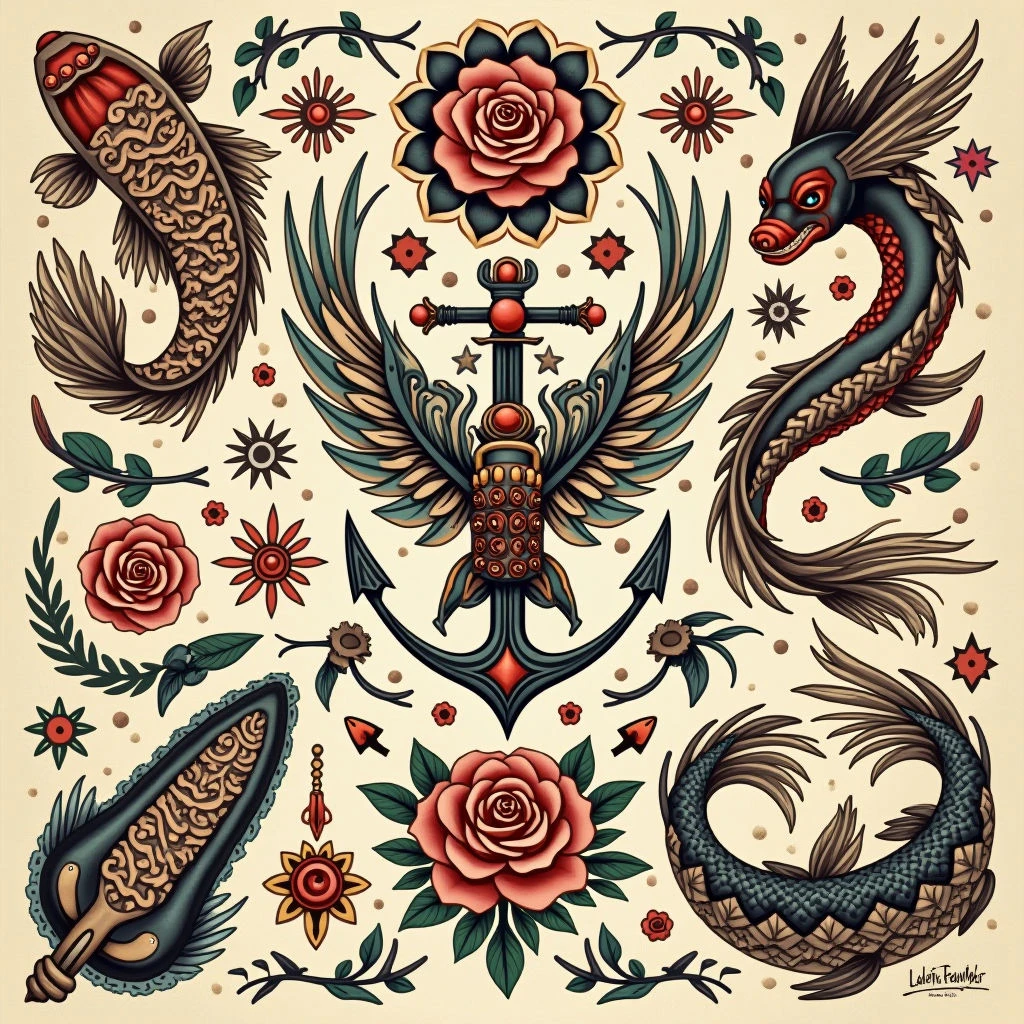
Throughout history, tattoos have held deep meaning in various cultures. Think about ancient Polynesian tribal markings that showed lineage and status, or traditional Japanese Irezumi depicting mythical creatures and samurai values—each symbol carried a specific message within its cultural context. Even now, certain images still evoke those historical connections: anchors representing journeys at sea, roses symbolizing love and beauty, and swallows signifying hope and return.
Personal Meaning & Connection
Ultimately, a tattoo’s most powerful meaning often comes from the personal connection to the wearer. They can mark milestones, honor loved ones, express beliefs, or simply celebrate individuality—visual reminders of journeys, memories, and values that shape who we are.
Common Symbols & Their Meanings
While interpretations vary widely, some symbols frequently carry recognizable meanings. A lotus flower often represents purity and enlightenment, while a phoenix signifies rebirth and transformation. Understanding these common associations can offer insight into the potential message behind a tattoo—but remember, the wearer’s personal story always holds the greatest significance.
Choosing Your Ink: Finding What Resonates
When you're choosing a tattoo design, consider what truly resonates with you. Do some research into the symbolism of your chosen motifs and think about how they connect to your own experiences and aspirations. A well-chosen tattoo becomes more than just beautiful art—it’s a meaningful expression of yourself.