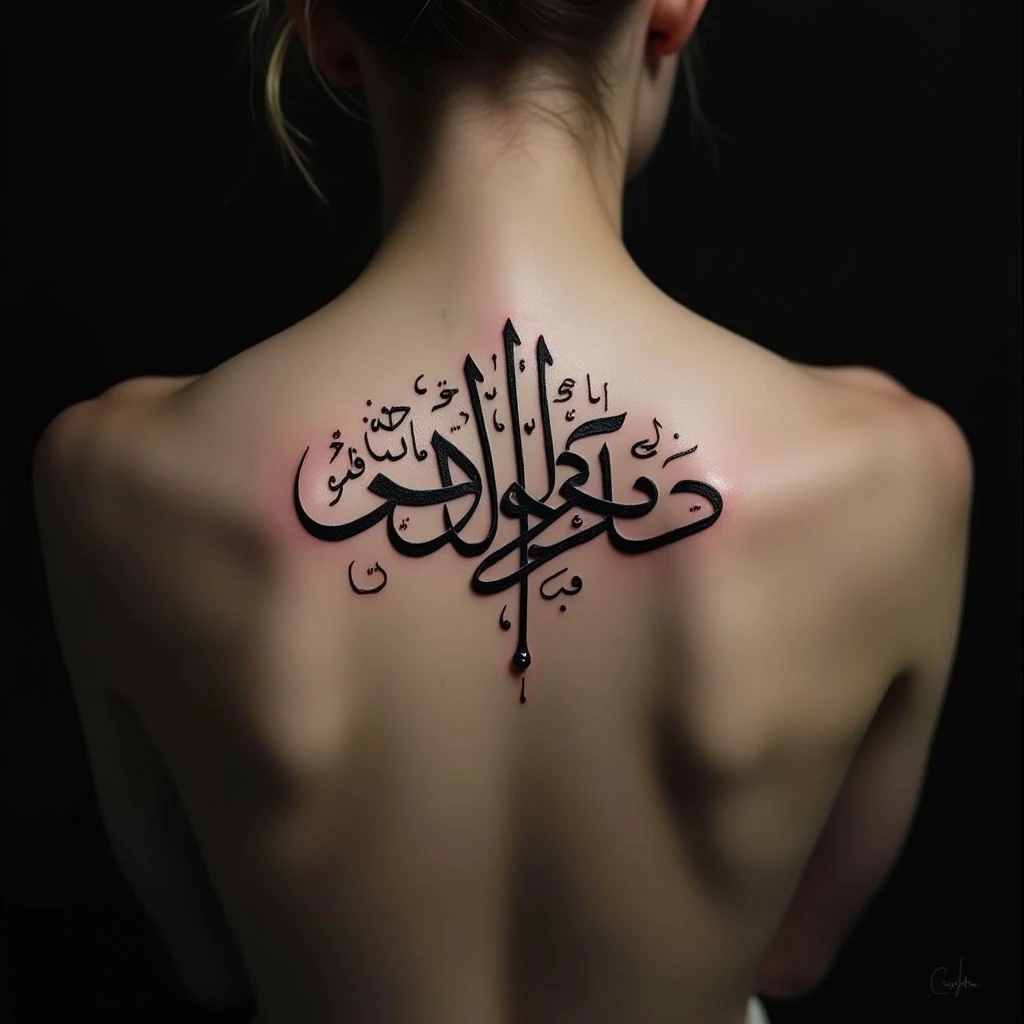
Arabic calligraphy is admired for its beauty, and a name tattoo in Arabic can be deeply personal—a blend of cultural significance and artistic expression. This guide will walk you through styles, meanings, placement ideas, and essential aftercare tips so you can create a truly unique and respectful piece.
Understanding the Meaning
Before committing to any tattoo—especially one with cultural weight like an Arabic name—it's vital to grasp its literal translation and context. A quick chat with someone familiar with Arabic language and culture can prevent unintended meanings or misinterpretations.
Design Styles
The script you choose significantly impacts the overall look. Here's a breakdown of popular styles:
-
Traditional Kufic
Kufic is characterized by its angular, geometric forms. It’s a classic choice that conveys formality and timelessness. -
Naskh Script
More fluid than Kufic, Naskh is often favored for its readability and graceful appearance. -
Thuluth Script
This decorative script boasts sweeping curves and elegant lines—perfect for showcasing the artistry of Arabic calligraphy. -
Modern Adaptations
Contemporary artists are blending modern design elements with traditional Arabic lettering, creating fresh and unique looks.
Placement Considerations
Where you place your tattoo can also carry symbolic meaning. Common spots include the wrist, forearm, back, or shoulder—work with your artist to find a visually balanced placement.
Aftercare is Key
Proper aftercare is essential for preserving the vibrancy and clarity of your Arabic name tattoo. Follow your artist’s instructions carefully when it comes to cleaning and moisturizing.