
A name tattoo can be a surprisingly powerful symbol—a way to show love, remember someone special, or simply feel connected. If you're considering one and want it to truly resonate, this guide breaks down styles, ideas, and important things to think about.
What Makes a Name Tattoo So Meaningful?
These tattoos often represent deep emotional ties. It might be honoring a beloved family member, celebrating a cherished friendship, or memorializing someone you’ve lost. The font choice, the style, and where you place it all contribute to the overall message—it's more than just ink on skin.
Design Styles & Ideas
Let’s explore some popular design approaches. There are so many ways to personalize a name tattoo!
Script Fonts: Grace and Beauty
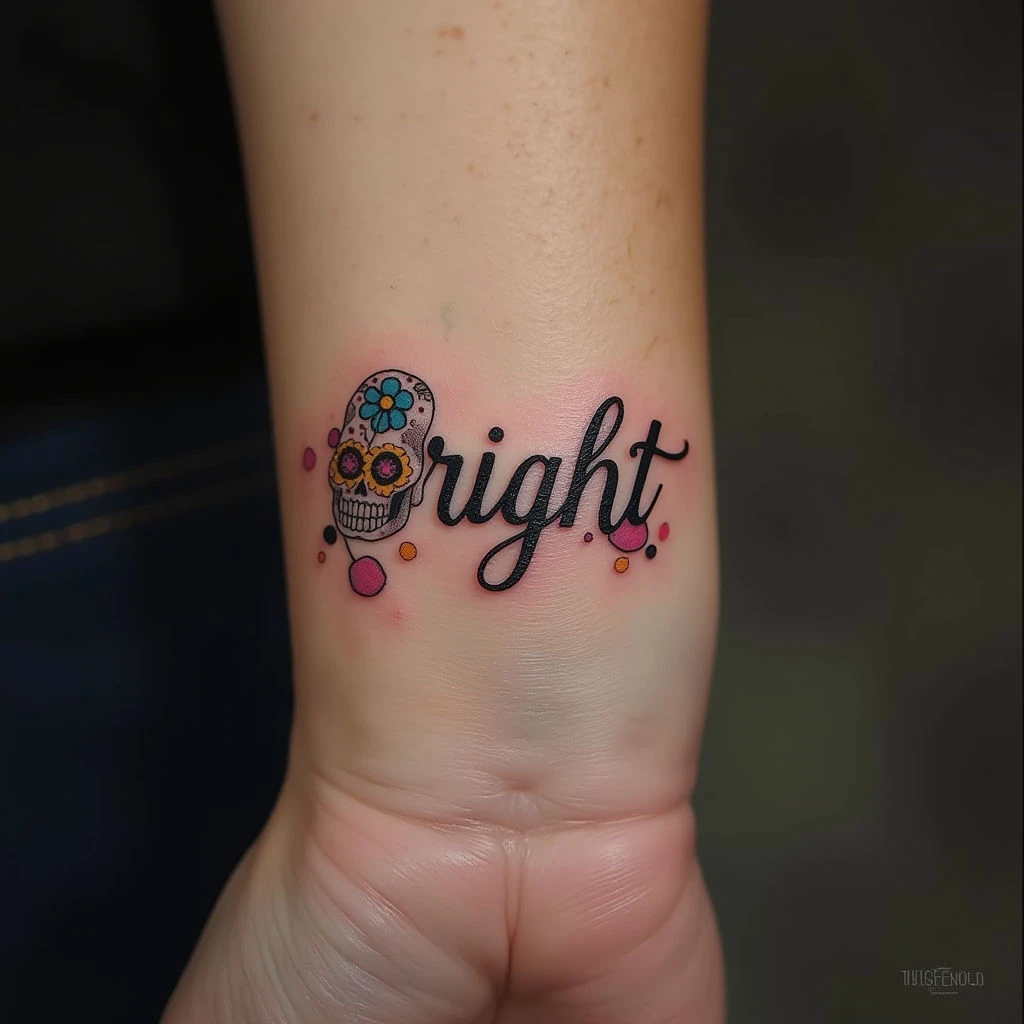
Elegant script fonts, like those used in calligraphy or cursive writing, lend an air of grace and beauty. They’re particularly lovely when honoring someone close—a mother, sister, or dear friend.
Minimalist Line Work: Understated Sentimentality
For a more modern feel, consider clean, simple lines. These minimalist designs are perfect if you prefer something subtle and understated.
Floral Accents: Growth & Remembrance
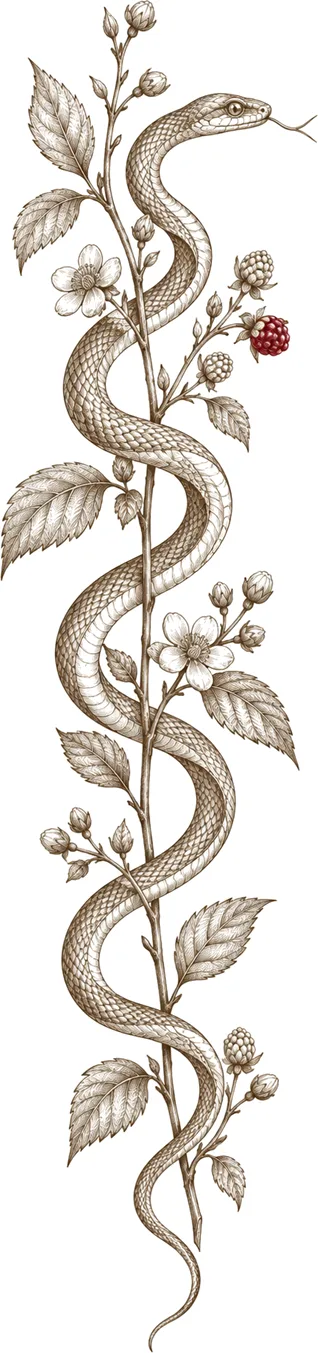
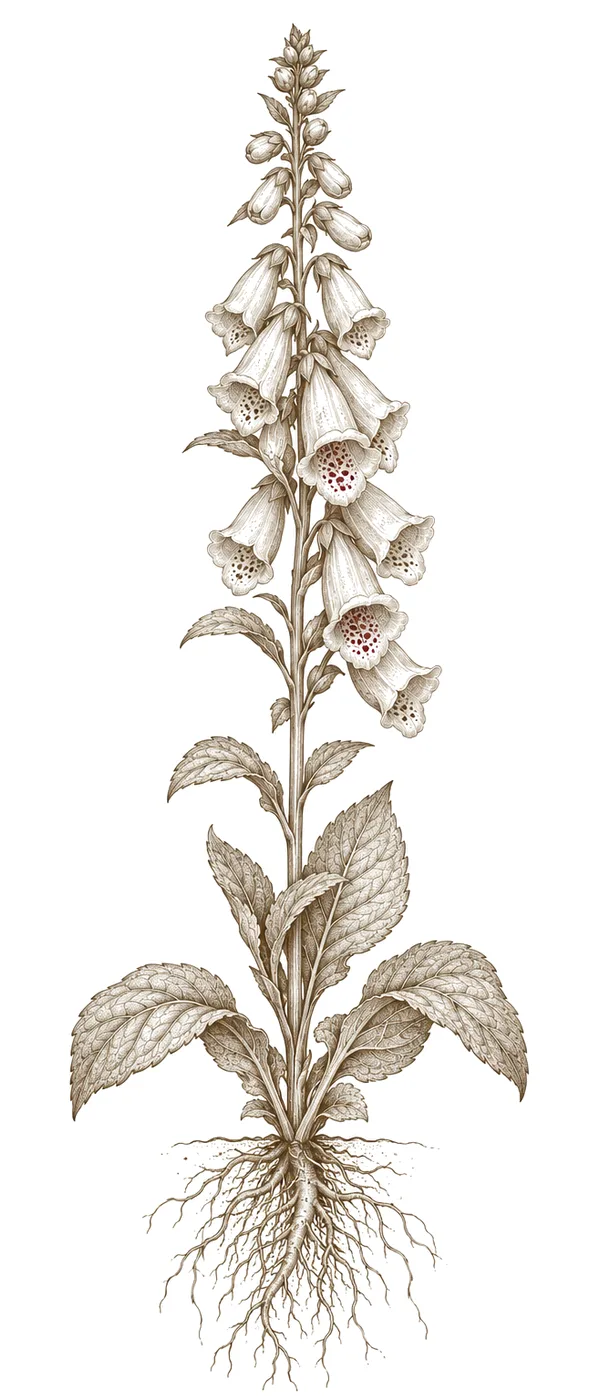
Adding delicate floral elements—think roses, lilies, or lavender—can soften the look and add layers of symbolism. Flowers often represent growth, love, and remembrance.
Chicano Style Integration: Cultural Pride
Inspired by Chicano art traditions, incorporating classic imagery like lowrider motifs or sugar skulls can infuse your tattoo with cultural depth. It's a way to show connection to your roots and community pride.
Placement: Where to Put Your Tattoo
Common spots for name tattoos include the wrist, ankle, behind the ear, collarbone, and ribs. Think about your pain tolerance—some areas are more sensitive than others—and how visible you want the tattoo to be.
Cultural Considerations: Latino Traditions
In Latino culture, name tattoos hold deep personal significance. They often represent family ties, heritage, and spiritual connections. Incorporating elements from Día de los Muertos—the Day of the Dead—can be a beautiful way to honor your ancestors.