Home > Categories > tribal > Unveiling the Significance of Native Chin Tattoos: A Cultural Exploration

Discover the rich cultural and historical significance behind native chin tattoos, also known as ta moko in Polynesia. Learn about their meanings, traditions, and contemporary relevance.

The Meaning Behind Chin Tattoos: A Cultural Exploration

Chin tattooing isn't just about body art; it’s a practice steeped in history and cultural significance, particularly within Polynesian traditions like *ta moko*. Let's explore the fascinating world of these meaningful markings.

Ta Moko: The Polynesian Story

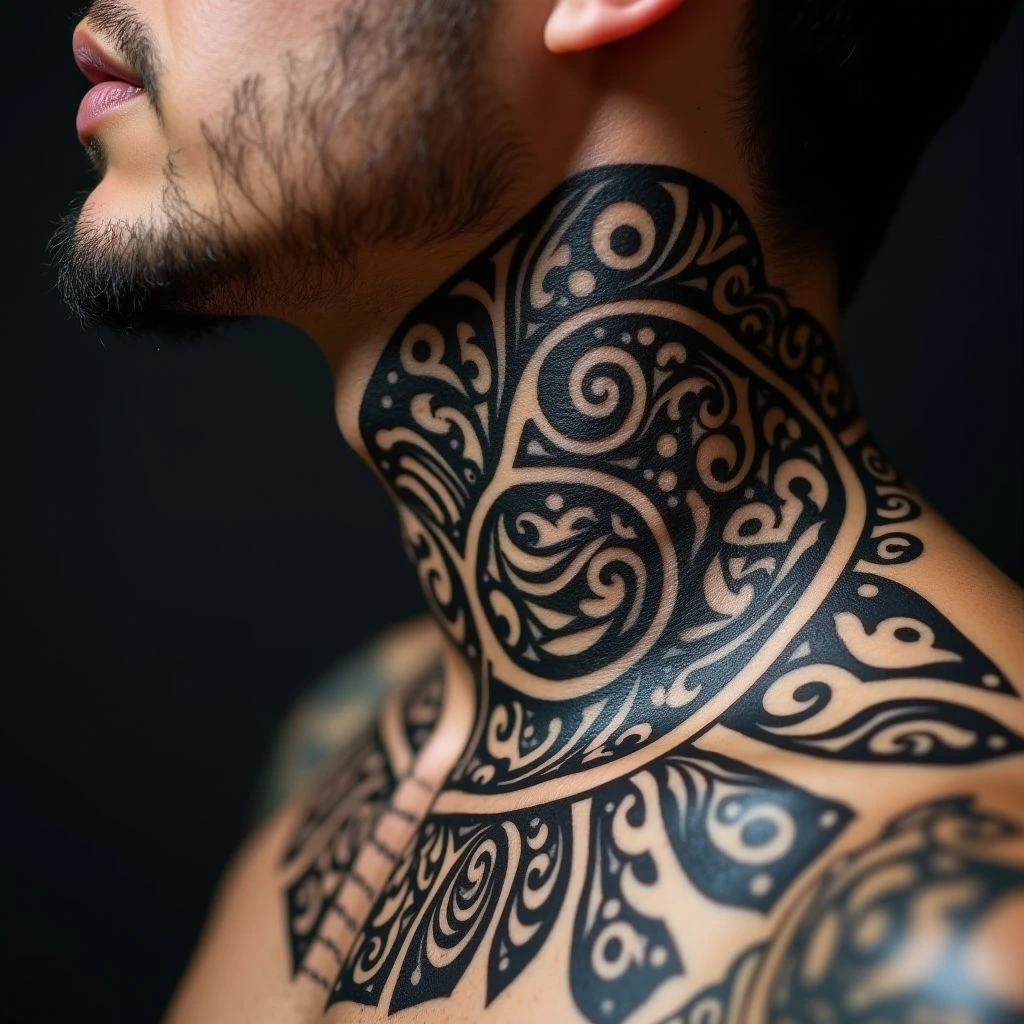
In Māori culture, specifically in New Zealand, ta moko on the face—including the chin—was a powerful symbol of rank and spiritual connection. Those intricate spiral patterns, known as *koru*, weren't just decorative; they represented new life, growth, and a deep link to one’s ancestors. The placement on the chin often signaled strength and resilience – qualities highly valued within the community.

Beyond Polynesia: A Wider Tradition

While ta moko is perhaps the most well-known example, similar traditions existed throughout various Pacific Island cultures. These chin tattoos could mark tribal affiliation, celebrate significant milestones like coming-of-age ceremonies, or even showcase a warrior’s achievements. Each design was unique, acting as a visual narrative of an individual's life.

Respect and Cultural Sensitivity

It's absolutely vital to approach these traditions with deep respect and understanding. Ta moko is sacred, and appropriating it without proper knowledge or permission from cultural practitioners isn’t just insensitive—it disrespects generations of tradition. There’s a growing interest in traditional ta moko today, but ethical practice is key; we must honor its ancestral roots.

Unveiling the Significance of Native Chin Tattoos: A Cultural Exploration

Home > Categories > tribal > Unveiling the Significance of Native Chin Tattoos: A Cultural Exploration

Discover the rich cultural and historical significance behind native chin tattoos, also known as ta moko in Polynesia. Learn about their meanings, traditions, and contemporary relevance.

The Meaning Behind Chin Tattoos: A Cultural Exploration

Chin tattooing isn't just about body art; it’s a practice steeped in history and cultural significance, particularly within Polynesian traditions like *ta moko*. Let's explore the fascinating world of these meaningful markings.

Ta Moko: The Polynesian Story

In Māori culture, specifically in New Zealand, ta moko on the face—including the chin—was a powerful symbol of rank and spiritual connection. Those intricate spiral patterns, known as *koru*, weren't just decorative; they represented new life, growth, and a deep link to one’s ancestors. The placement on the chin often signaled strength and resilience – qualities highly valued within the community.

Beyond Polynesia: A Wider Tradition

While ta moko is perhaps the most well-known example, similar traditions existed throughout various Pacific Island cultures. These chin tattoos could mark tribal affiliation, celebrate significant milestones like coming-of-age ceremonies, or even showcase a warrior’s achievements. Each design was unique, acting as a visual narrative of an individual's life.

Respect and Cultural Sensitivity

It's absolutely vital to approach these traditions with deep respect and understanding. Ta moko is sacred, and appropriating it without proper knowledge or permission from cultural practitioners isn’t just insensitive—it disrespects generations of tradition. There’s a growing interest in traditional ta moko today, but ethical practice is key; we must honor its ancestral roots.