
The tradition of tattooing runs deep within African cultures—a practice that’s far older than many people think. For centuries, these weren't just decorative patterns; they were narratives etched onto skin, marking lineage, status, spiritual protection, and rites of passage.
The Meaning Behind Black and Grey
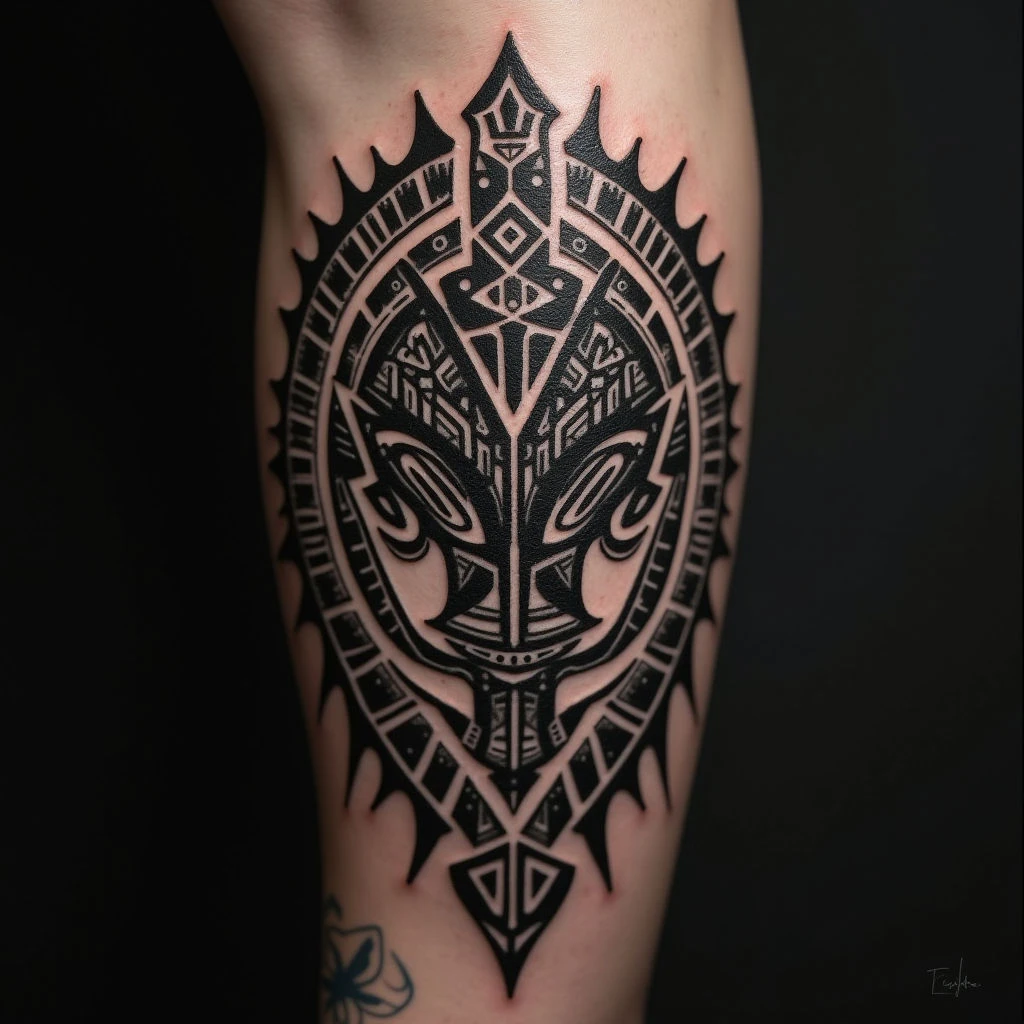
Choosing black and grey isn't just about looks; it’s a direct connection to ancestral techniques. Historically, limited pigment availability meant using charcoal or soot for marking—creating striking contrast and ensuring longevity against the skin, especially important for nomadic communities facing harsh conditions. The subtle shading within these tones adds depth and emotion, reflecting the complex stories each tattoo tells.
Tribal Roots and Symbolism
Think about the Isicholo hairstyle from the Zulu people—it mimics an ancestral bird's nest. This concept translates beautifully into tattoo form, symbolizing heritage and a connection to elders. Similarly, patterns inspired by Ndebele beadwork – known for their geometric precision and vibrant storytelling – offer endless possibilities for black and grey designs. The practice of 'ukufa,' or scarification—where lines are raised on the skin through careful incisions—can also be echoed in the depth and texture achieved with skilled shading.
Modern Interpretations & Respectful Adaptation
Today, tattoo artists are blending these traditions with contemporary aesthetics. Imagine a classic rose rendered in intricate black and grey dotwork to mimic the detail of traditional scarification, or an anchor design incorporating elements from ancient Egyptian hieroglyphs—each element layered with profound meaning.
The key is respectful adaptation: truly understanding the origins and honoring the cultural context. These tattoos aren't just decoration; they’re living embodiments of history, spirituality, and resilience.