Religious tattoos carry deep personal meaning, often reflecting a connection to faith, spirituality, or cultural heritage. They’re more than just decoration; they're visual expressions of beliefs and values.
Christian Symbols
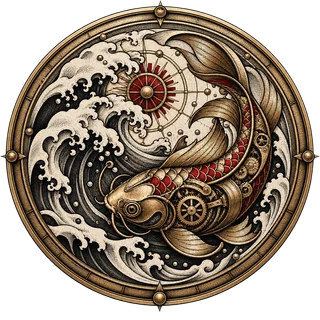
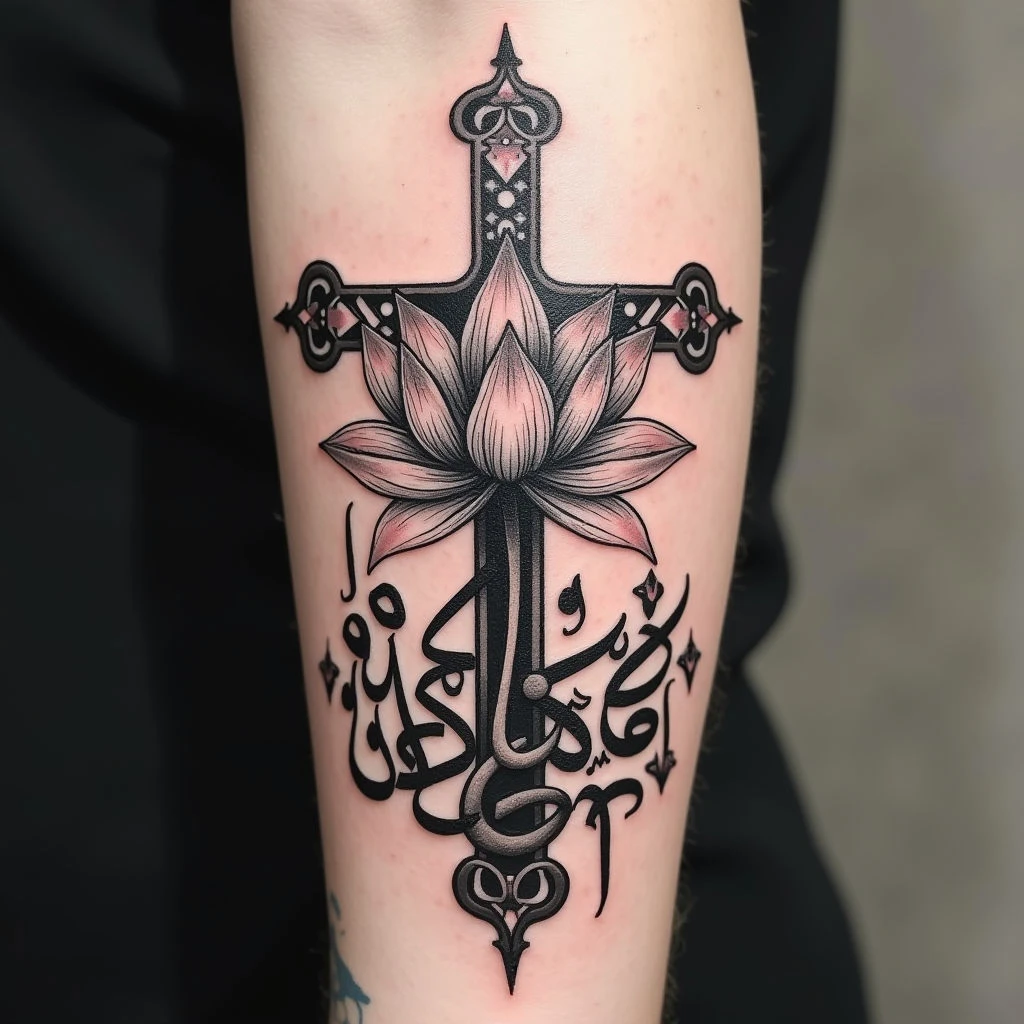
The cross is instantly recognizable as a Christian symbol, representing sacrifice and redemption. You’ll also see angel tattoos—they often signify protection and divine guidance. The fish (Ichthys) served as an early identifier for Christians, while the Chi-Rho monogram powerfully declares faith through Christ's name.
Buddhist Imagery
In Buddhism, the lotus flower embodies purity, enlightenment, and rebirth. Many choose to tattoo the mantra “Om mani padme hum,” believing it invokes compassion and blessings. Buddha statues are common representations of wisdom and peace, and mandala designs visually depict the universe and a spiritual journey.
Islamic Art & Calligraphy
Islamic tattoos often incorporate Arabic calligraphy—verses from the Quran or names of Allah are popular choices. Geometric patterns, known as arabesque, symbolize God’s infinite nature. While traditional Islamic art typically avoids depicting human figures, some modern interpretations use stylized representations within symbolic designs.
Other Faiths & Spiritual Beliefs
Beyond the major religions, symbols like the Tree of Life resonate across cultures, representing interconnectedness and growth. Hamsa hands are believed to offer protection from negative energy, and stars often symbolize guidance and hope.
Before getting any tattoo, it’s important to consider its personal meaning—and always show respect for the beliefs it represents.