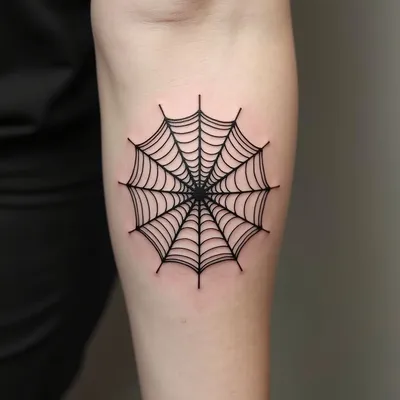
Spider Web Tattoos: A Symbol of Military Brotherhood and Survival
Spider web tattoos hold a unique place in tattoo history, particularly among military personnel. While often associated with danger and entrapment in popular culture, the meaning within military circles is far more nuanced, rooted in experiences of combat and brotherhood. The practice originates from World War II airmen who etched spider webs onto their bodies ÔÇô typically on their arms or legs ÔÇô to symbolize surviving a mission where they were shot down. The web represented the wreckage of the aircraft and the pilot's successful return. It became a silent code, a testament to shared hardship and resilience. Over time, the symbol evolved. It can signify camaraderie, survival, and a bond forged through intense experiences. However, itÔÇÖs crucial to understand that this meaning is deeply personal and tied to specific historical contexts. It's not something to be adopted casually or without understanding its significance.
Cultural Sensitivity & Appropriation
It's vital to acknowledge the potential for cultural appropriation when considering a spider web tattoo. While the military association has become ingrained, itÔÇÖs important to approach the design with respect and awareness of its origins. If you are not connected to this tradition, consider alternative symbols that represent your personal journey.
Design Considerations
Spider webs can be rendered in various styles ÔÇô traditional, realism, or even incorporating tribal elements (always ensuring proper cultural understanding and permission if drawing from Indigenous designs). Placement on the elbow is a common choice due to visibility and ease of display. Remember, consulting with an experienced tattoo artist who understands the symbolism is essential.