Home > Categories > tribal > Designing a Tribal Tattoo: A Guide to Meaning & Aesthetics

Explore tribal tattoo designs - their history, symbolism and aesthetics. Learn how to incorporate cultural elements for a unique piece.

Understanding Tribal Tattoo Designs

Tribal tattoos carry deep historical and cultural weight across many indigenous societies. They’re far more than just decoration; these designs often mark lineage, spiritual beliefs, rites of passage, and even social standing.

A Look at the Roots

The practice of tribal tattooing stretches back to ancient times. You’ll find it in Polynesian, Maori, Borneo, Haida (Native American) cultures—the list goes on. Each culture developed its own distinct visual language: intricate patterns, symbolic animals, and striking geometric shapes.

Key Elements of Tribal Tattoo Design

Let's break down some common elements you’ll see in tribal tattoo styles:

  • Bold Lines & Shapes

    Expect to find strong outlines and symmetrical compositions.

  • Geometric Patterns

    These often represent interconnectedness, balance, and harmony—a visual expression of those concepts.

  • Animal Motifs

    Animals frequently symbolize strength, wisdom, or spiritual guidance. For example, wolves often represent loyalty, while eagles can signify freedom.

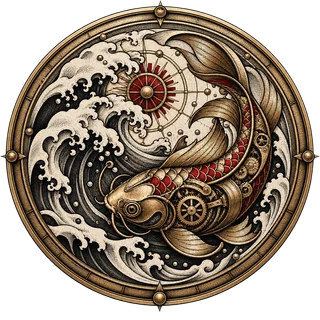
  • Spirals & Waves

    These shapes can symbolize growth, the cycles of life, and a connection to nature—a reminder of our place within something larger.

Important Considerations

Before getting a tribal tattoo, it's essential to do your research and understand the culture it originates from. Cultural appropriation is disrespectful; aim for appreciation and understanding instead.

Working with an artist who specializes in tribal styles can also make a big difference. A skilled artist will respect cultural boundaries and help you translate your vision into a meaningful piece—it’s about honoring the tradition, not just copying it.

Finding Inspiration

Dive deeper by exploring museums, libraries, and reputable online resources. Learning about different tribal cultures and their artistic traditions is a rewarding journey in itself.

Designing a Tribal Tattoo: A Guide to Meaning & Aesthetics

Home > Categories > tribal > Designing a Tribal Tattoo: A Guide to Meaning & Aesthetics

Explore tribal tattoo designs - their history, symbolism and aesthetics. Learn how to incorporate cultural elements for a unique piece.

Understanding Tribal Tattoo Designs

Tribal tattoos carry deep historical and cultural weight across many indigenous societies. They’re far more than just decoration; these designs often mark lineage, spiritual beliefs, rites of passage, and even social standing.

A Look at the Roots

The practice of tribal tattooing stretches back to ancient times. You’ll find it in Polynesian, Maori, Borneo, Haida (Native American) cultures—the list goes on. Each culture developed its own distinct visual language: intricate patterns, symbolic animals, and striking geometric shapes.

Key Elements of Tribal Tattoo Design

Let's break down some common elements you’ll see in tribal tattoo styles:

  • Bold Lines & Shapes

    Expect to find strong outlines and symmetrical compositions.

  • Geometric Patterns

    These often represent interconnectedness, balance, and harmony—a visual expression of those concepts.

  • Animal Motifs

    Animals frequently symbolize strength, wisdom, or spiritual guidance. For example, wolves often represent loyalty, while eagles can signify freedom.

  • Spirals & Waves

    These shapes can symbolize growth, the cycles of life, and a connection to nature—a reminder of our place within something larger.

Important Considerations

Before getting a tribal tattoo, it's essential to do your research and understand the culture it originates from. Cultural appropriation is disrespectful; aim for appreciation and understanding instead.

Working with an artist who specializes in tribal styles can also make a big difference. A skilled artist will respect cultural boundaries and help you translate your vision into a meaningful piece—it’s about honoring the tradition, not just copying it.

Finding Inspiration

Dive deeper by exploring museums, libraries, and reputable online resources. Learning about different tribal cultures and their artistic traditions is a rewarding journey in itself.