
The art of tattooing, a practice interwoven with human history across diverse cultures, manifests in an astonishing variety of styles. From the bold lines of traditional Americana to the delicate washes of watercolor, each approach carries its own weight of tradition and artistic expression.
Traditional & Old School
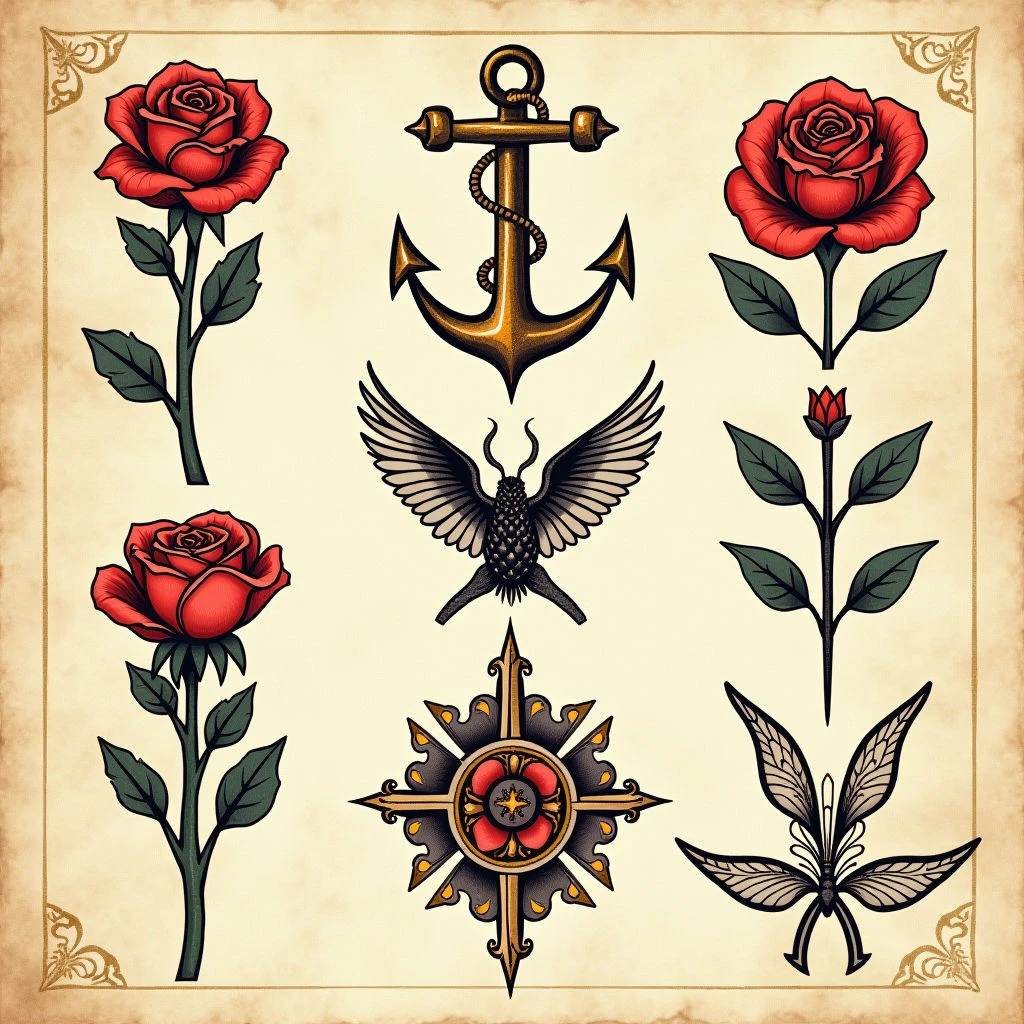
Rooted in sailor traditions of the late 19th and early 20th centuries, these tattoos boast a limited color palette—red, yellow, green, and black—and depict iconic imagery like anchors, roses, and eagles. The enduring appeal lies in their simplicity and symbolic strength.
Neo-Traditional
A modern evolution of the traditional style, neo-traditional tattoos expand upon the classic designs with more nuanced colors, intricate details, and a greater range of subject matter. They retain the bold outlines but embrace complexity.
Realism & Portrait Tattoos
For those seeking a strikingly lifelike depiction, realism offers unparalleled detail. Portrait tattoos, in particular, require exceptional skill to capture not only likeness but also emotion. The use of black and grey shading is frequently employed to achieve depth and dimension.
Watercolor
Mimicking the fluidity of watercolor paintings, these tattoos employ soft washes of color and feathered edges, creating a delicate and artistic aesthetic. Proper pigment selection and placement are crucial for longevity.
Blackwork & Tribal
Blackwork utilizes solid black ink with bold lines to produce striking designs often inspired by geometric patterns or tribal aesthetics. The use of negative space plays a vital role in the overall composition.
Minimalist
Embracing simplicity, minimalist tattoos employ fine lines and negative space to create understated yet impactful designs. Their elegance lies in their restraint.
Illustrative
Drawing inspiration from storybooks and sketch art, illustrative tattoos offer a broad range of artistic expression, often blending styles and incorporating intricate linework.