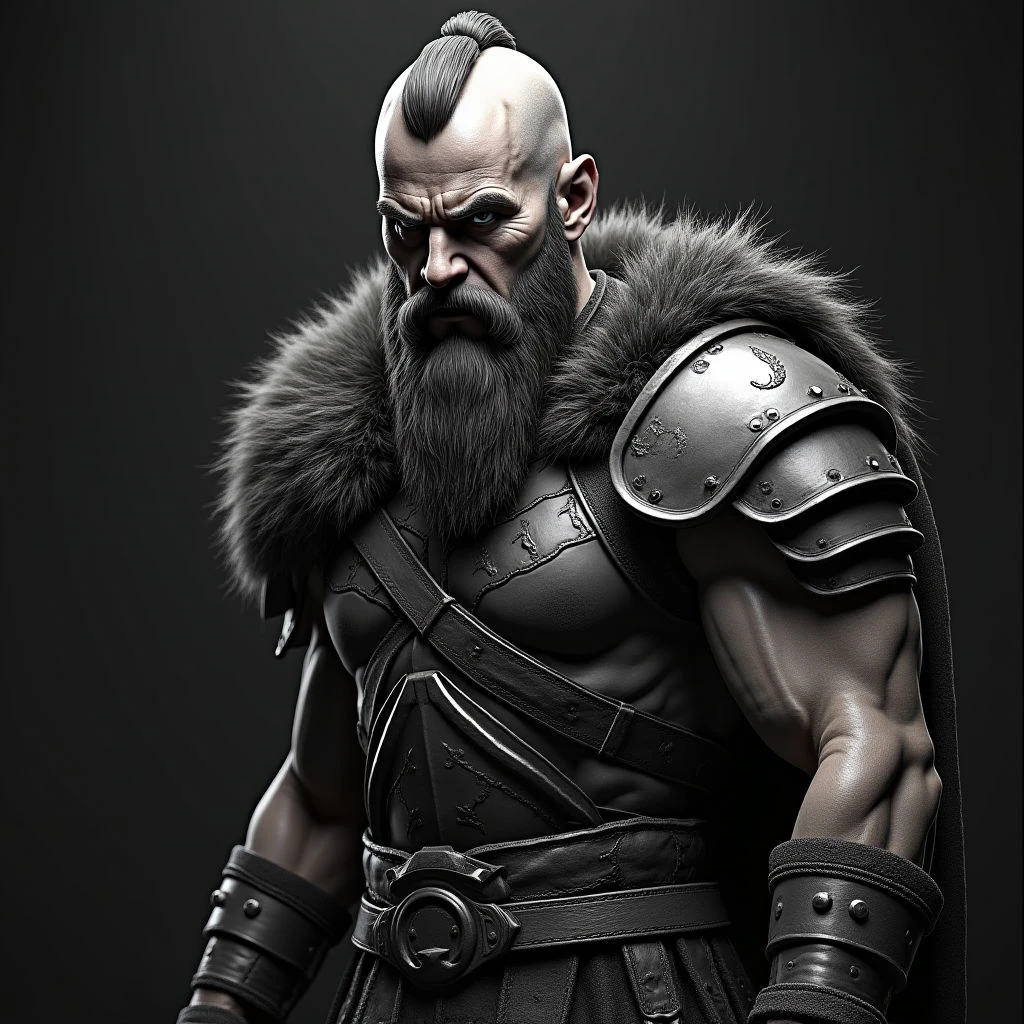
The Viking age brings to mind images of fierce warriors, voyages across the sea, and a strong connection to Norse mythology. A tattoo featuring a Viking warrior embodies this spirit—a symbol of strength, courage, and resilience. This guide explores the design elements, styles, and meanings behind these powerful tattoos.
Understanding the Symbolism
Before we look at specific designs, it's important to understand the core symbols that often appear. These elements carry a lot of meaning.
Common Symbols
- Warriors: Representing bravery, skill in battle, and the warrior's code. You might see depictions of legendary figures like Ragnar Lothbrok or Erik the Red.
- Runes: Ancient Norse alphabets with mystical significance—often used for protection, guidance, or to invoke specific qualities.
- Axes & Swords: Symbols of power, defense, and the Vikings’ impressive craftsmanship.
- Helmets & Shields: Representing battle readiness and a commitment to protecting loved ones.
- Longships: Symbolizing exploration, adventure, and the Vikings' seafaring abilities—they really were masters of the sea.
- Mythological Creatures: Dragons (representing strength and chaos), wolves (loyalty and ferocity), and Valkyries (who chose who would fall in battle).
Popular Tattoo Styles
Different styles lend themselves well to Viking imagery. Here are a few popular choices.
- Traditional/Old School: Think bold outlines and a limited color palette (red, black, yellow, blue)—perfect for that classic Viking warrior look.
- Realism: Intricate details and shading create lifelike depictions of warriors or their gear—especially good for portraits.
- Minimalist: Simplified designs focusing on key elements like a helmet or rune; ideal for subtle yet meaningful tattoos.
- Blackwork/Dotwork: These techniques can add depth and texture to Viking imagery, especially when depicting intricate patterns or mythological scenes.