
Tattoo Cover-Up Approaches: A Guide
Covering up an old or unwanted tattoo can feel like a fresh start, but it's also a process with its own unique challenges. As someone still honing their skills in this craft, I’ve learned that the initial consultation is absolutely key. Really understanding what your client wants to achieve—along with the existing tattoo's characteristics (color saturation, density) and their skin type—helps ensure a beautiful result.
Popular Cover-Up Design Ideas
Tattoo cover-ups for women often gravitate towards designs that feel feminine, delicate, or bold—it really depends on personal taste. Here’s a look at some popular approaches.
Floral Cover-Ups
Flowers are incredibly versatile for cover-ups. They can soften harsh lines and fill in larger areas effectively. Think roses, peonies, cherry blossoms—the possibilities feel endless! A skilled artist can blend colors and incorporate intricate details to create a truly stunning transformation. I've found that brighter colors often work best when covering darker tattoos.
Abstract Art
An abstract design offers a lot of flexibility when it comes to concealing existing lines and shapes. It’s almost like having a blank canvas—a chance to play with textures, gradients, and movement. This approach is particularly good if the original tattoo has faded or blurred.
Nature Scenes
Consider landscapes, forests, or ocean waves—nature scenes offer depth and dimension that can effectively hide an unwanted tattoo. The key here is finding an artist who really understands perspective and shading.
Geometric Patterns
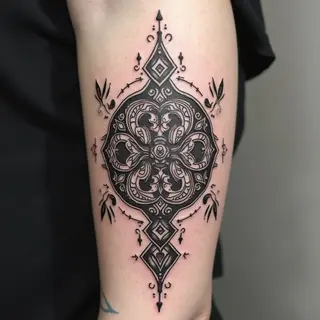
Bold geometric patterns are a modern choice for cover-ups. They’re great at disguising simple shapes and lines, but keep in mind they might require more sessions depending on the size and complexity of the original tattoo.
Sleeve Transformations
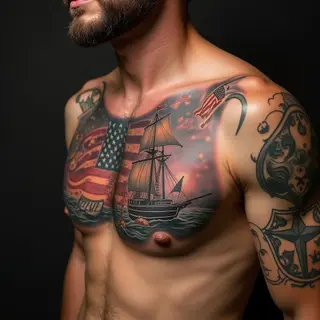
For larger tattoos, a full or half sleeve can completely transform your arm. It's a significant commitment, so doing thorough research and carefully selecting an artist is crucial.
Important Considerations
A consultation with an experienced tattoo artist is vital. They’ll assess the existing tattoo, discuss design options, and give you a realistic estimate of the time and cost involved. Plus, be prepared for multiple sessions—cover-ups generally require more work than new tattoos.