
Understanding Tattoo Shading Techniques
Tattoo shading is really the foundation of a great tattoo design. It's more than just filling in color—it’s about building depth, texture, realism, and even setting the mood.
Why Shading Matters
Think of shading as sculpting with ink. It takes flat lines and transforms them into three-dimensional forms, bringing a tattoo to life.
Common Tattoo Shading Techniques
-
Black & Grey (Grey Wash)
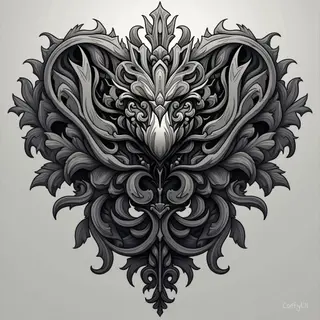
This technique uses different densities of black ink, diluted with water, to create a range of grey tones. It’s incredibly versatile and popular for realism and portraits—a skilled artist can really nail subtle nuances and dramatic contrasts.
-
Watercolor Shading
Mimicking watercolor paintings, this style blends soft, translucent inks to create a dreamy effect. It’s tricky to do well, but the results are stunning.
-
Dotwork Shading
Created with thousands of tiny dots, dotwork builds up tone and texture gradually. It takes time, but it produces unique designs with a really interesting tactile quality.
-
Stipple Shading
Similar to dotwork, stippling uses dots entirely. While dotwork often focuses on gradients and shades, stipple is frequently used for texture or more abstract designs.
-
Traditional/Old School Shading
This often uses bold lines and simple techniques like cross-hatching or solid black fills to define shapes.
-
New School Shading
This style uses bright, saturated colors and exaggerated shading common in cartoon and graffiti art.
Choosing the Right Technique
Ultimately, the best technique depends on what you want to achieve, how complex your design is, and of course, your artist’s expertise. Talking it over with a skilled tattoo artist is essential—it's the best way to discuss your ideas and find the right approach.